


Bioluminescent Sharks Light Up the Deep: New Lanternshark Species Discovered
A New Glowing Discovery from the Depths
The ocean’s depths continue to reveal their secrets, and this week brings an extraordinary discovery that literally glows with possibility. Scientists from CSIRO have officially described a new species of deep-sea shark — the West Australian Lanternshark (Etmopterus westraliensis) — found off the coast of Western Australia at depths reaching 610 meters.
Nature’s Own Light Show: Bioluminescence Explained
What makes this discovery particularly fascinating is the shark’s bioluminescent capabilities. Like other lanternsharks, this newly identified species produces its own light through specialized organs called photophores located on its belly and flanks.
This natural lighting system serves multiple purposes:
- Communication with other sharks
- Camouflage from predators below by matching the faint light filtering down from above
- Attraction of prey in the pitch-black depths
For a deeper look at bioluminescent sharks, see this overview from National Geographic.
Meet the West Australian Lanternshark
The West Australian Lanternshark is relatively small — the largest specimen measures just 407 millimeters in length.
Distinctive features include:
- A slender body adapted for hydrodynamic efficiency
- Large eyes suited for darkness
- Dorsal fins with sharp spines typical of the Etmopterus genus
The species was discovered during a 2022 biodiversity survey aboard the CSIRO Research Vessel Investigator, a mission that has already yielded nearly 20 new species descriptions.
The Vast Unknown: Ocean Biodiversity Still Hidden
This finding underscores the incredible biodiversity still awaiting discovery in our oceans.
Dr. Will White from the CSIRO Australian National Fish Collection notes that researchers estimate up to 600 new species may still be awaiting description from that single 2022 voyage alone.
The deep sea remains one of Earth’s least explored frontiers, with more than 80% of our oceans still unmapped and unexplored, according to NOAA Ocean Exploration.
Why This Discovery Matters
The timing of this discovery is crucial. Marine scientists worldwide are racing to document ocean biodiversity before climate change and human activities irreversibly alter deep-sea ecosystems.
Each new species adds valuable insight into:
- Marine evolution
- Ecosystem dynamics
- The ocean’s role in global climate regulation
Read more about the importance of deep-sea research on the United Nations Decade of Ocean Science.
Get Involved: Supporting Ocean Exploration
For those inspired by this discovery:
- Follow ongoing research updates via the CSIRO Marine National Facility.
- Participate in citizen science projects such as OceanEye or Marine Debris Tracker.
- Support organizations dedicated to ocean exploration and conservation, like the Ocean Exploration Trust.
Each contribution — whether scientific, financial, or educational — helps illuminate the mysteries that still lie hidden in the deep.
Discover more fascinating ocean science stories and join our community at oceanwish.eu

May brings warm, sunny days to the Greek Islands without the peak summer crowds. Discover why this month offers the ideal balance for ocean lovers and travelers.
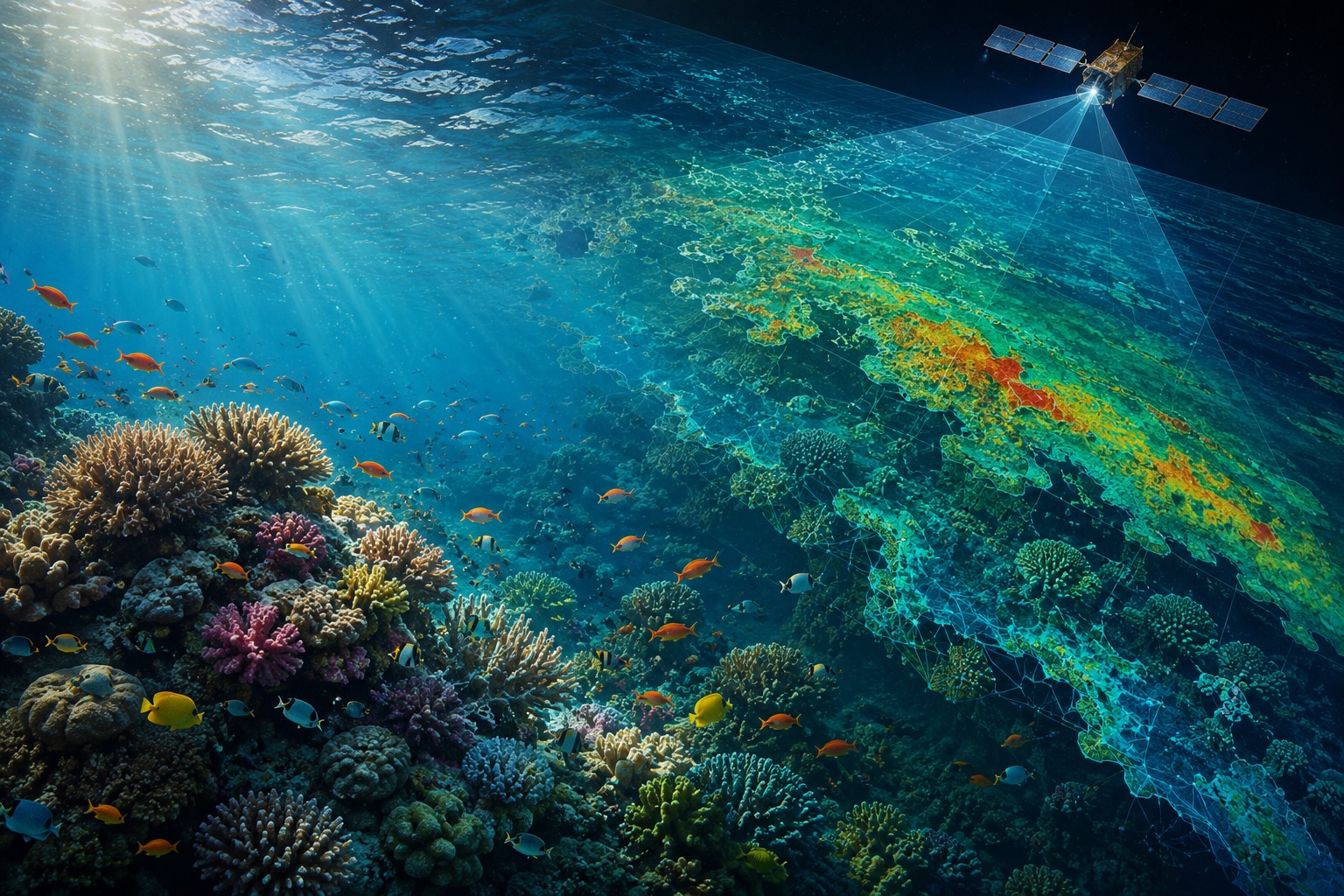
Cornell University researchers have developed an AI system that combines satellite data with underwater measurements to predict coral bleaching events earlier and more accurately.