


A Landmark Moment for Ocean Conservation
The ocean conservation world is celebrating a monumental milestone as the High Seas Treaty officially enters into force this January 2026. After years of negotiations and advocacy, humanity finally has a comprehensive framework for protecting biodiversity in the vast waters beyond national jurisdiction – covering nearly two-thirds of our planet’s ocean.
A Breakthrough Agreement Ratified by the Global Community
This groundbreaking agreement, ratified by over 60 countries by September 2025, represents the most significant advancement in marine conservation in decades. The treaty establishes mechanisms for creating Marine Protected Areas (MPAs) in international waters, regulates activities that could harm marine ecosystems, and ensures that the benefits of marine genetic resources are shared equitably among nations.
Why 2026 Is a Turning Point for the Ocean
What makes this particularly exciting is the timing – 2026 has been declared a decisive year for ocean conservation, with multiple initiatives converging to create unprecedented momentum for marine protection. The treaty addresses critical gaps in ocean governance, from deep-sea mining regulations to fishing quotas in previously unprotected waters.
What This Means for Marine Life and Ocean Lovers
For ocean enthusiasts, this means enhanced protection for migratory species, such as whales, sharks, and sea turtles, that cross international boundaries. It also opens new opportunities for sustainable marine tourism and research in previously unregulated areas.
How to Take Action
Practical Impact: Support organizations working on High Seas implementation, stay informed about new MPA designations, and consider how your travel choices can support sustainable ocean tourism in these newly protected areas.
Join the OceanWish Community
Discover more about ocean conservation initiatives and join our community at
Sources & Further Reading
-
United Nations – Official announcement on entry into force (BBNJ Agreement):
https://press.un.org/en/2025/l3306.doc.htm
-
High Seas Alliance – 60th ratification milestone:
-
Wikipedia – High Seas Treaty overview and timeline:
https://en.wikipedia.org/wiki/High_Seas_Treaty
-
1 Ocean – Explainer on treaty scope and impact:
https://1ocean.org/news/high-seas-treaty-the-new-agreement-to-protect-international-waters
Source: Popular Science – Deep Sea Mining Study

May brings warm, sunny days to the Greek Islands without the peak summer crowds. Discover why this month offers the ideal balance for ocean lovers and travelers.
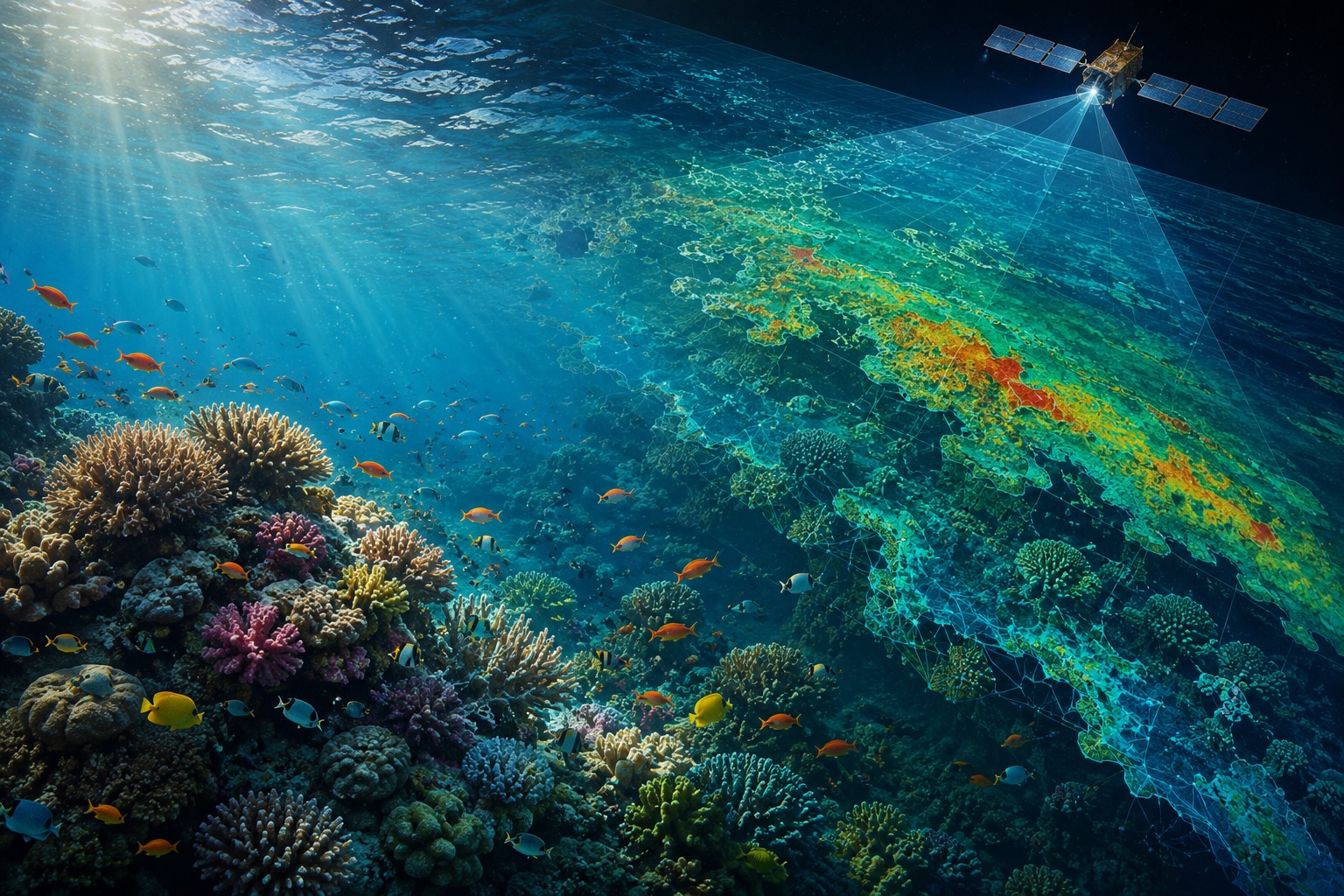
Cornell University researchers have developed an AI system that combines satellite data with underwater measurements to predict coral bleaching events earlier and more accurately.