

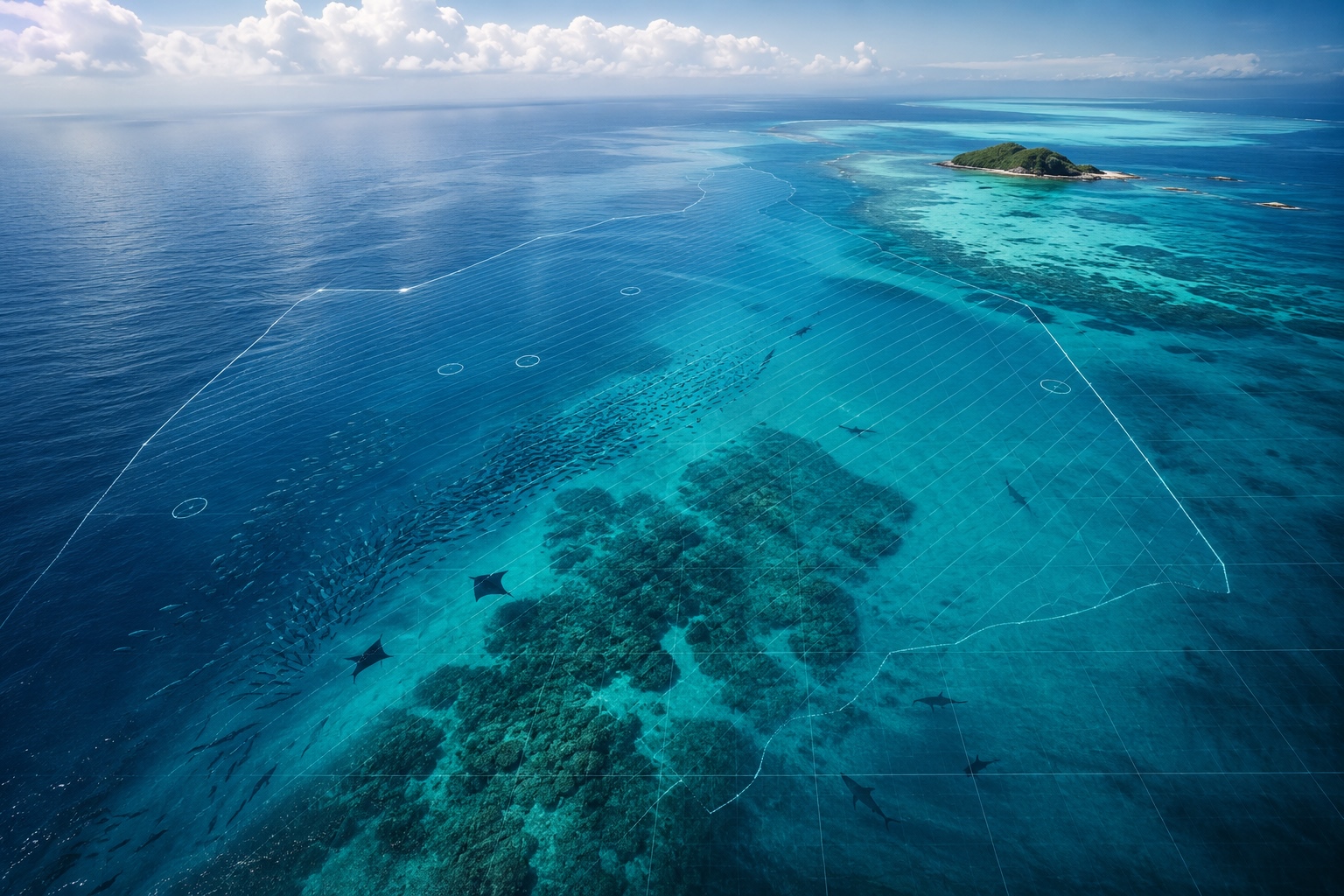
On April 1, 2026, the international community reached a momentous achievement: 10.01% of the world’s ocean is now officially designated within protected and conserved areas. This milestone, announced by the IUCN and UNEP-WCMC, represents a turning point in global ocean conservation efforts and marks the fulfillment of a commitment made six years after the original 2020 deadline.
Over the past two years alone, the world has protected approximately 5 million square kilometers of ocean—an area larger than the entire European Union. This progress demonstrates what can be achieved when nations work together with scientific data, legal frameworks, and community-based conservation projects. The protected areas now include diverse marine ecosystems, from coastal zones to deep-sea habitats, safeguarding critical biodiversity hotspots and supporting the survival of countless marine species.
However, this achievement is just the beginning. The international community has committed to conserving 30% of Earth’s land and seas by 2030 under the Kunming-Montreal Global Biodiversity Framework. This means an area approximately the size of the Indian Ocean still needs to be designated in the next four years.
The challenge is particularly acute in the high seas—areas beyond national jurisdiction that comprise over 60% of the ocean’s surface. Currently, only 1.66% of the high seas are covered by protected areas, despite representing an estimated 95% of Earth’s habitat by volume.
A critical concern highlighted in the Protected Planet Report 2024 is that coverage alone is insufficient. Many marine protected areas are not actively managed, and destructive activities may continue even within designated zones. Only a small percentage of protected ocean areas have had their management effectiveness assessed and reported. This gap underscores the need for robust governance, adequate funding, and adaptive management strategies to ensure these protected areas deliver real conservation outcomes.
Why this matters
Ocean protection is essential for human survival. Marine ecosystems help produce oxygen, support fisheries, provide livelihoods for millions, and maintain resilience in the face of climate change. Indigenous Peoples and local communities play a crucial role in ocean stewardship, and their knowledge and territories must be recognized and supported.
What you can do
Support ocean conservation organizations, advocate for stronger marine protection policies, and make sustainable choices in your seafood consumption. Learn about marine protected areas near you and consider supporting community-led conservation initiatives.
Every action counts in building a healthier ocean.
Discover more on Oceanwish and join the Ocean Drops community to stay informed about ocean conservation breakthroughs.

May brings warm, sunny days to the Greek Islands without the peak summer crowds. Discover why this month offers the ideal balance for ocean lovers and travelers.
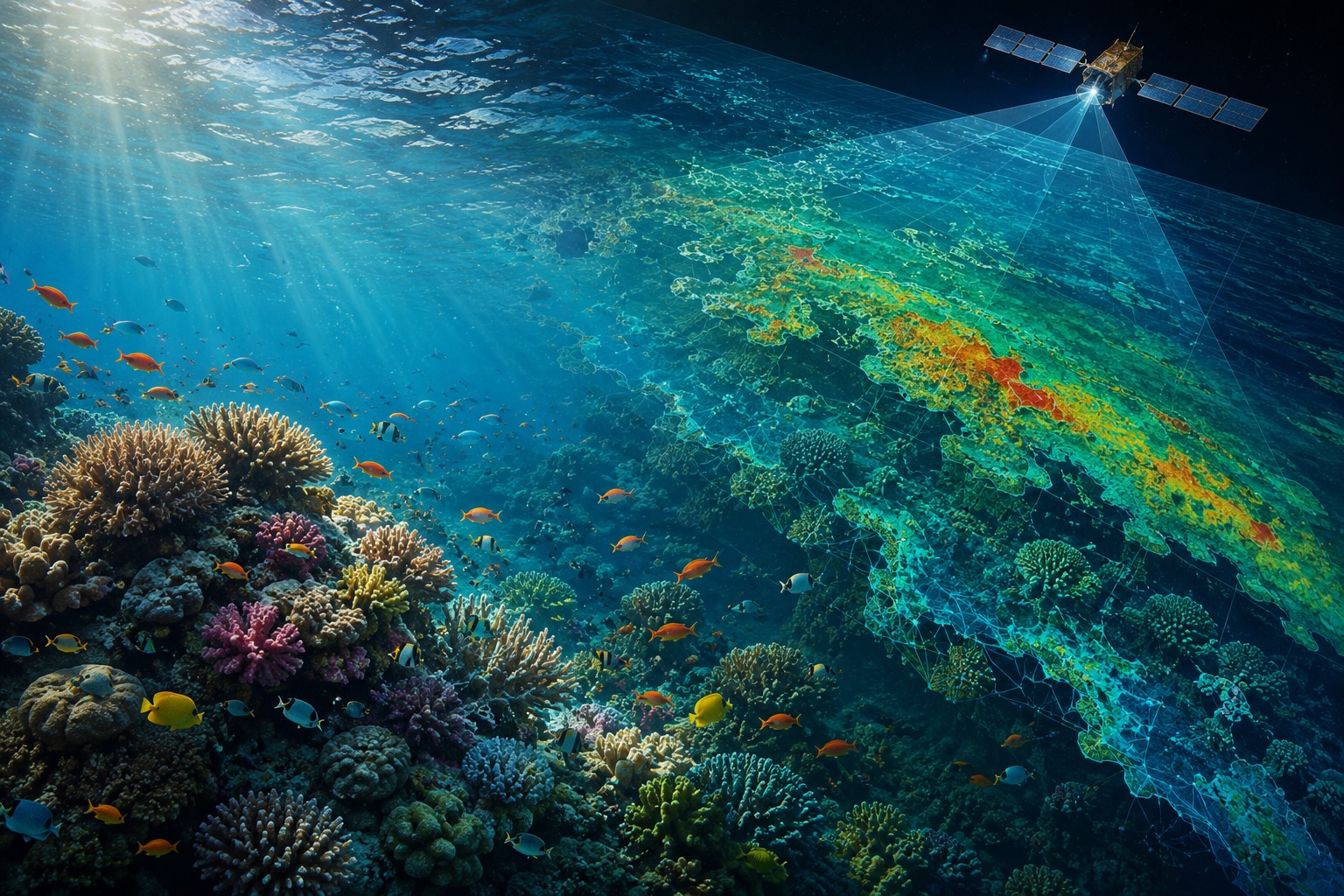
Cornell University researchers have developed an AI system that combines satellite data with underwater measurements to predict coral bleaching events earlier and more accurately.