


A Groundbreaking Discovery Beneath the Seafloor
In a discovery reshaping our understanding of marine ecosystems, scientists have uncovered thriving communities of life beneath the seafloor itself.
During a 30-day expedition to the East Pacific Rise, researchers from the Schmidt Ocean Institute used the remotely operated vehicle SuBastian to explore volcanic regions connected to hydrothermal vents.
Their astonishing find was giant tube worms, some up to 1.6 feet long, living inside volcanic caves hidden beneath the ocean crust.
A Hidden Ecosystem Connected to the Seafloor
The results, published in Nature Communications, suggest a previously unknown link between seafloor and subseafloor ecosystems.

Dr. Sabine Gollner, marine biologist at the Royal Netherlands Institute for Sea Research (NIOZ), described the discovery as “mind-blowing,” highlighting how animals can survive in these extreme underwater caves — located 8,251 feet below the ocean surface.
How Scientists Revealed the Secret World
To expose these secret habitats, the research team literally flipped over chunks of volcanic crust.
Beneath them, they found cavities filled with warm water (about 75°F / 24°C) teeming with life — from larval and adult tube worms to mobile snails and chemosynthetic bacteria that convert chemicals into energy without sunlight.
This finding expands our understanding of how life adapts and thrives in Earth’s most extreme environments.
For more on hydrothermal vent ecosystems, see the NOAA Ocean Explorer resource.
Implications for Deep-Sea Biodiversity and Mining
This discovery raises critical questions about the impact of deep-sea mining and human activity on fragile subseafloor ecosystems.
Researchers warn that major drilling could alter hydrothermal vent flows, potentially destroying entire communities that depend on these delicate chemical conditions.
Protecting these hidden worlds is essential to preserve the planet’s deep-sea biodiversity.
For policy context, visit the International Seabed Authority, which regulates deep-sea mineral exploration and protection efforts.
🌊 Practical Tips
Follow the Schmidt Ocean Institute’s ongoing research and consider supporting marine conservation organizations working to protect deep-sea ecosystems from industrial exploitation and pollution.
You can also explore the latest discoveries and expedition logs directly on their platform:
Schmidt Ocean Institute – Cruise Logs.
Discover more fascinating ocean science stories and join our community at oceanwish.eu

May brings warm, sunny days to the Greek Islands without the peak summer crowds. Discover why this month offers the ideal balance for ocean lovers and travelers.
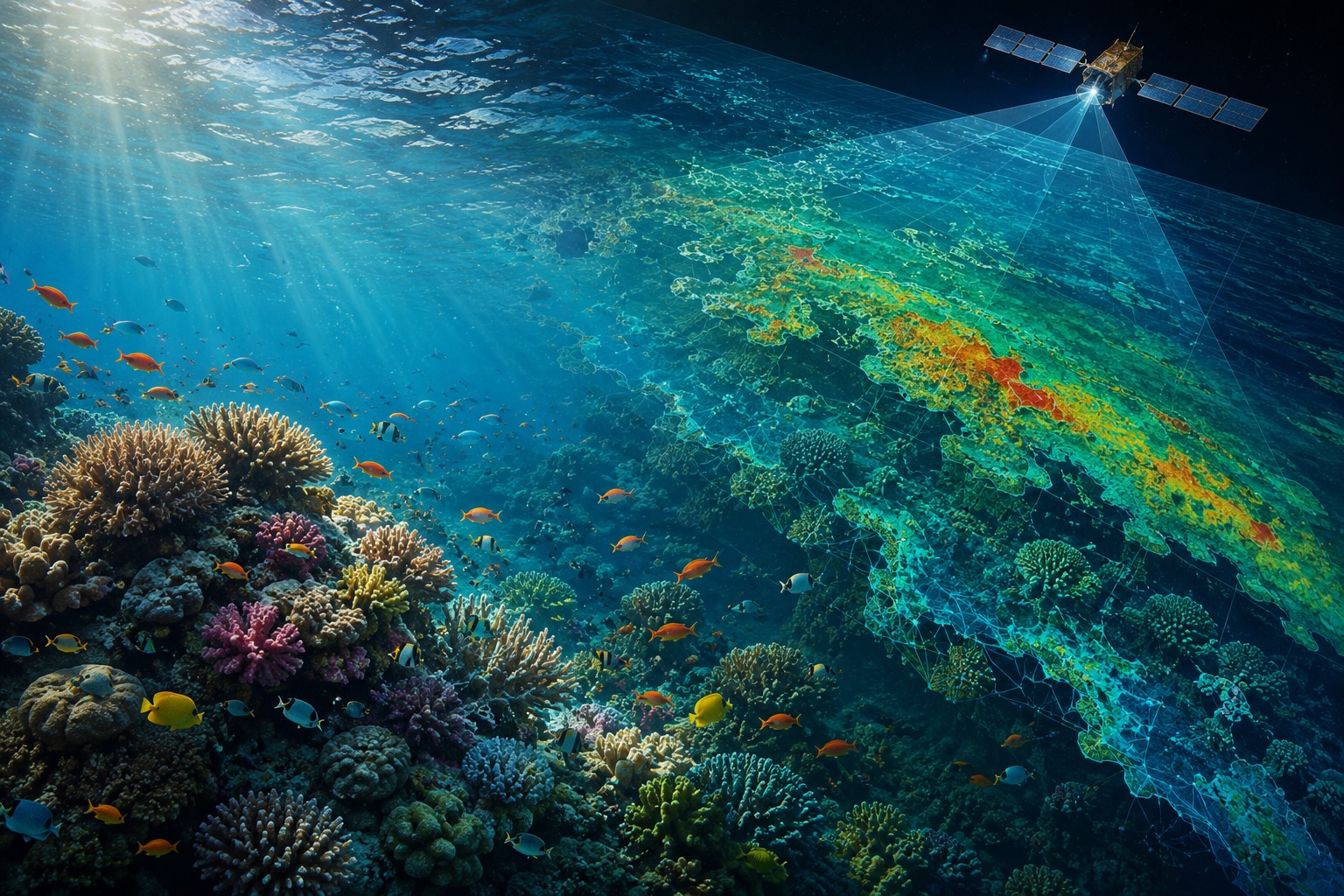
Cornell University researchers have developed an AI system that combines satellite data with underwater measurements to predict coral bleaching events earlier and more accurately.