

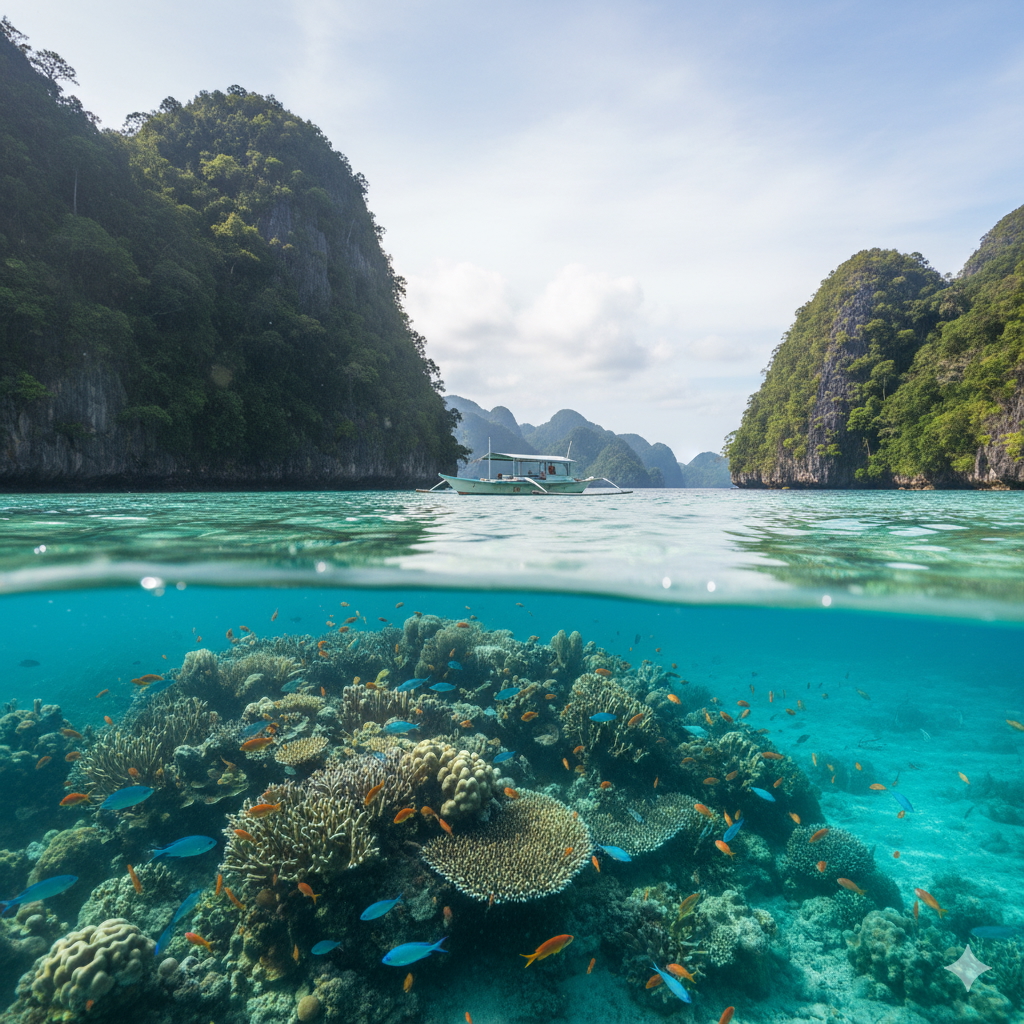
Why Raja Ampat is suddenly on every marine traveler’s radar
As more travelers seek alternatives to overcrowded hubs, Raja Ampat (West Papua, Indonesia) is being highlighted by voices in marine tourism as a standout destination for the next wave of conscious travel. It’s remote, logistically demanding—and exceptionally rewarding for divers, snorkelers, and nature-first explorers.
Where it is (and what the name means)
Raja Ampat literally means “Four Kings,” and the region is an archipelagic regency comprising 1,500+ islands and reefs around four main islands (commonly listed as Waigeo, Batanta, Salawati, and Misool). Raja Ampat has also been designated a UNESCO Global Geopark (2023).
Biodiversity: the numbers (fact-checked, with context)
Raja Ampat sits inside the Coral Triangle, widely recognized as the global center of reef biodiversity. Depending on the source and counting method, commonly cited figures include:
-
~550 coral species and ~1,400 reef fish species documented in the region.
-
Some reporting cites “75% of the world’s coral species” and 1,600+ fish species for Raja Ampat.
These aren’t contradictions as much as different baselines (taxonomy updates, “reef-associated fish” vs “fish,” regional boundaries, and reporting style). The safe, accurate framing is: Raja Ampat is among the most biodiverse marine regions on Earth.
What to do in Raja Ampat (signature experiences)
-
World-class diving & snorkeling: vibrant reefs, steep walls, and hard-to-believe water clarity in the right season.
-
Manta encounters: the area is known for manta aggregation and cleaning-station behavior (local guides know the etiquette and timing).
-
Iconic landscapes: karst islets, lagoons, and viewpoints that feel like a different planet—especially at sunrise.
Culture & community: why it feels different
A big part of Raja Ampat’s appeal is that it’s not just a “dive destination”—it’s also a place where Papuan coastal communities are deeply tied to ocean stewardship. Many stays and excursions can be arranged in ways that directly benefit local communities, especially via community-run homestays and locally guided trips.
Best time to go (and what “best” really means here)
Most travel guidance points to October–April as a prime window, often with February–March noted for calmer seas and strong visibility. That said, Raja Ampat is equatorial and conditions vary by area—so align your dates to your priority (manta, macro life, calm crossings, photography).
Getting there (the reality check that helps you plan better)
The classic route is: fly to Sorong (SOQ) → boat transfer to your island/base. It takes effort, but that’s also part of why Raja Ampat still feels relatively untouched compared to easier-to-reach tropical destinations.
Travel Tip: how to keep your footprint aligned with the place
-
Book with operators that are transparent about reef-safe practices (no anchoring on reefs, mooring use, briefings, group sizing).
-
Consider community-owned homestays where possible.
-
Ask where your fees go (some programs fund patrols, reef monitoring, or community initiatives).
Bottom line
If your 2026 travel goal is maximum marine biodiversity with minimum mass-tourism energy, Raja Ampat deserves a serious look. It’s not “easy luxury”—it’s earned paradise, best experienced with patience, planning, and respect.

May brings warm, sunny days to the Greek Islands without the peak summer crowds. Discover why this month offers the ideal balance for ocean lovers and travelers.
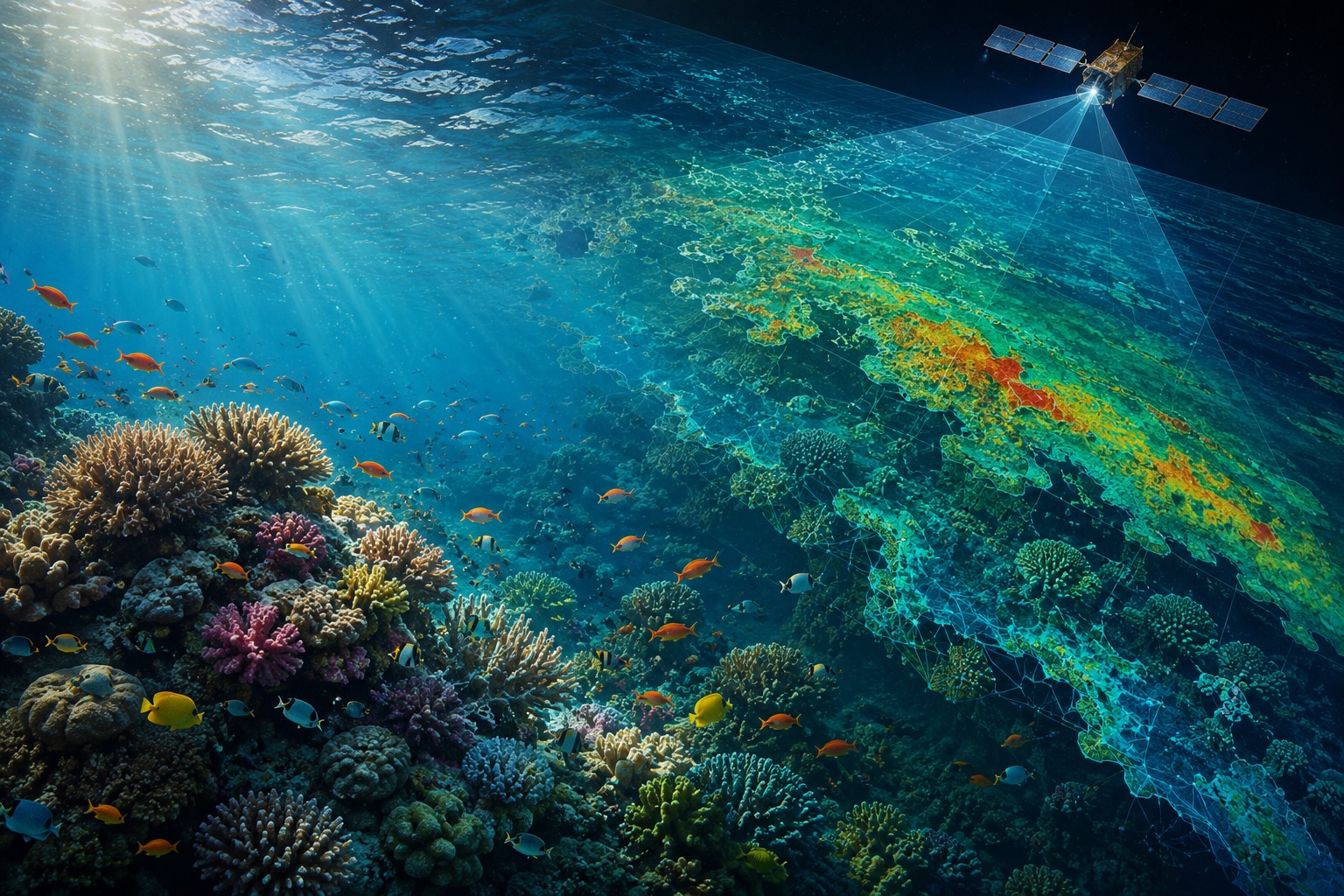
Cornell University researchers have developed an AI system that combines satellite data with underwater measurements to predict coral bleaching events earlier and more accurately.