

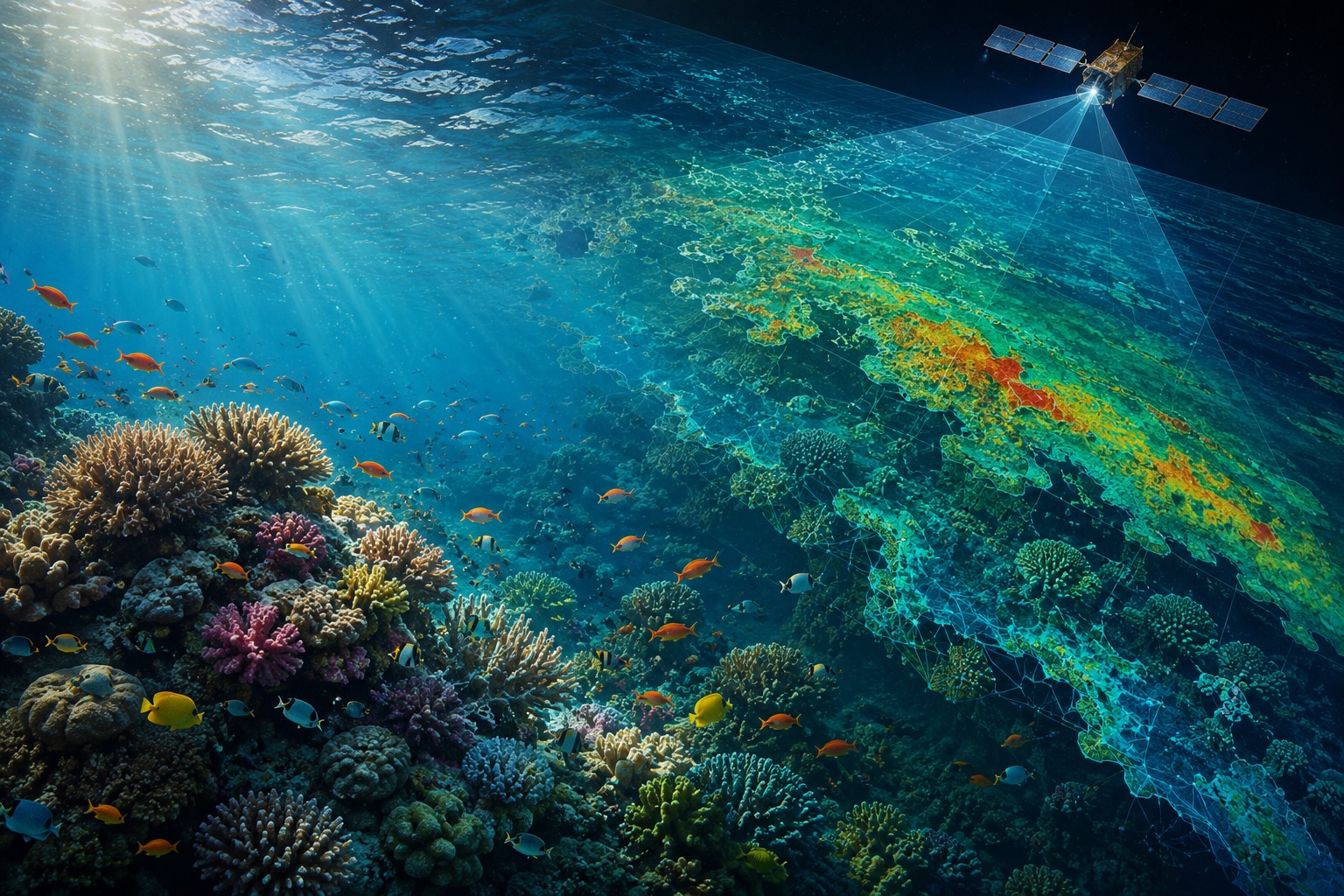
Coral reefs face an unprecedented threat from rising ocean temperatures. Now, researchers at Cornell University have created a tool that could give these vital ecosystems a fighting chance: an AI system that predicts coral bleaching events before they happen.
What happened
Cornell scientists developed a machine learning model that combines satellite temperature readings with underwater sensor data to create a more accurate picture of how coral reefs experience heat stress at different depths. Traditional monitoring relies primarily on surface temperature measurements, which can miss critical variations in deeper reef zones. The new system integrates multiple data sources to estimate temperature changes throughout the entire reef structure, allowing scientists to identify vulnerable areas before bleaching occurs.
Why it matters
Coral bleaching happens when water temperatures rise just 1-2 degrees Celsius above normal levels. Once bleaching begins, corals have already suffered significant stress. By predicting bleaching events days or weeks in advance, conservation teams can implement protective measures—from reducing local stressors to deploying emergency interventions. This early warning system transforms coral conservation from reactive to proactive, potentially saving entire reef systems from collapse. In a warming ocean, this technology could be the difference between survival and extinction for many coral species.
What to watch next
The Cornell team is working to integrate their AI model with real-time monitoring networks across the world’s major reef systems. Conservation organizations are already adopting the technology to improve their response strategies. As ocean temperatures continue to rise, this kind of predictive science will become essential for protecting the biodiversity and human communities that depend on healthy coral reefs.
Source: Green Living Magazine

May brings warm, sunny days to the Greek Islands without the peak summer crowds. Discover why this month offers the ideal balance for ocean lovers and travelers.
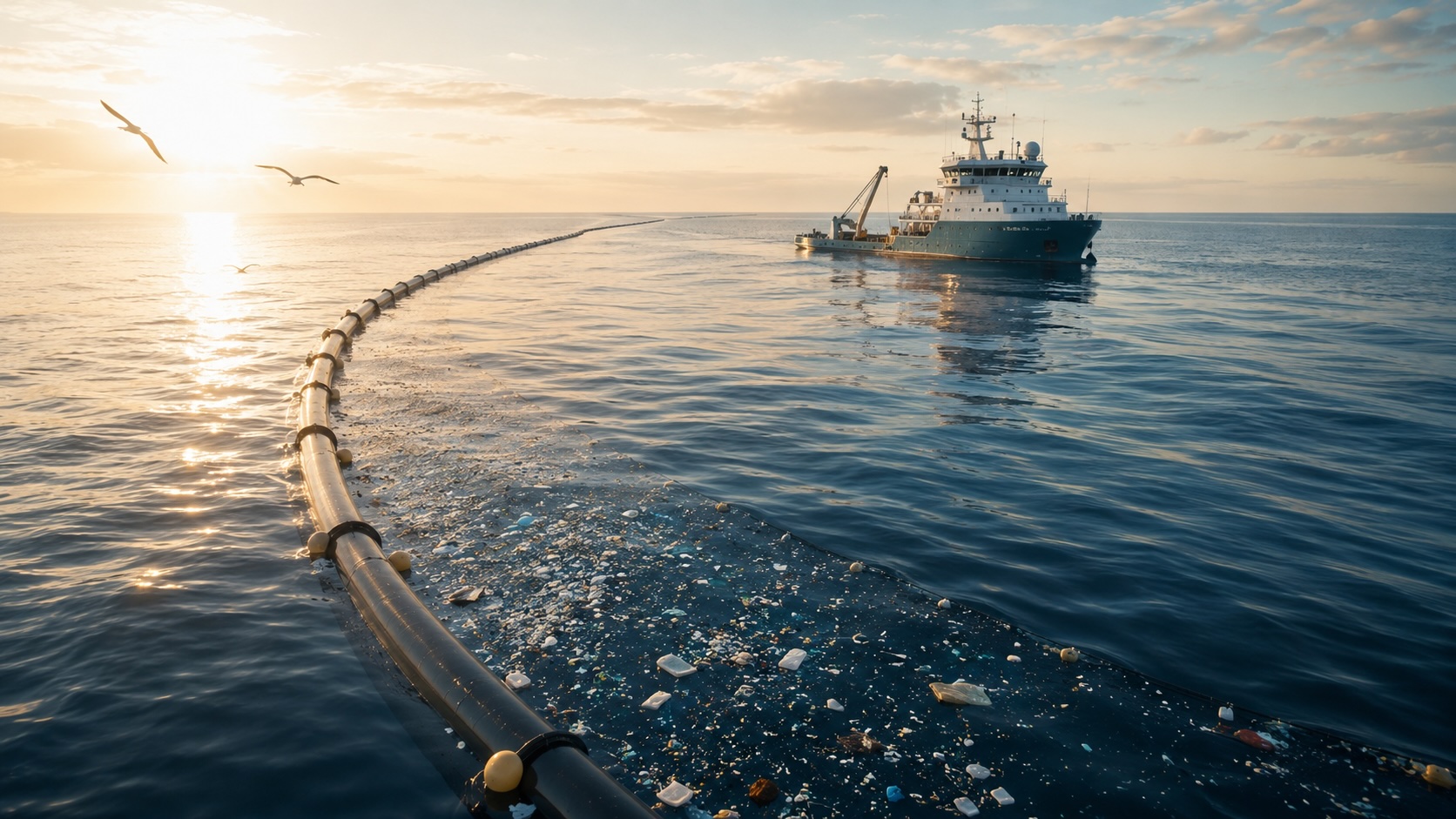
The Ocean Cleanup’s System 004 has declared a 100,000-square-kilometer section of the Great Pacific Garbage Patch plastic-free, marking a major milestone in ocean restoration.