


The World’s Newest Marine Parks Open to Ocean Explorers
Lead: Add six fresh pins to your map. The world’s new marine parks are welcoming visitors with clear water, citizen-science activities, and carefully managed access that funds conservation on the ground.
What’s New—and Why It Matters
These protected areas span coral gardens and kelp forests across multiple regions. Each park is the result of long campaigns, scientific review, and local partnerships. Opening to visitors creates jobs, funds rangers, and turns travelers into conservation allies.
Best Window: October–December
From October to December, seas are calmer in many regions and visibility improves. Parks often run “opening season” programs with guided snorkel tours, marine biologist talks, and short workshops.
Key Takeaways
- Visit with certified guides; many parks require permits or briefings.
- Citizen science is encouraged: ID fish, log corals, or report wildlife.
- Travel dollars help fund monitoring, moorings, and education.
Mini Itinerary (5 Days, Sample)
Day 1: Arrive, park orientation, safety & ecology briefing.
Day 2: Guided snorkeling with biologist; log sightings in a citizen-science app.
Day 3: Boat day: reef-edge snorkel or intro dive; afternoon coastal hike.
Day 4: Community visit; sustainable seafood cook-along; evening talk on restoration.
Day 5: Dawn wildlife watch; pack out with zero-waste checklist.
Where to Try/See (Official Resources)
- Chumash Heritage National Marine Sanctuary, USA (California): Kelp forests, whales, and Indigenous co-management in a new NOAA sanctuary. NOAA – Chumash Heritage NMS
- Azores Marine Protected Area Network, Portugal: Europe’s largest new MPA network with whale routes and deep-sea habitats. Blue Azores – Official
- Mar Tropical de Grau National Reserve, Peru: New reserve protecting turtles, whales, and reefs off Piura & Tumbes. MINAM – Supreme Decree
- Bajos del Norte National Park, Mexico: The Gulf’s largest fully marine park; offshore and highly protected. CONANP – Presidential Decree (PDF)
- Tang.ɢ̱wan–ḥačxʷiqak–Tsig̱is MPA, Canada: 47 seamounts and hydrothermal vents; access via coastal museums and centers. DFO – TḥT MPA
Sustainability Note
Choose operators with reef-safe practices, small groups, and mooring-use. Favor local lodges with water-saving systems and waste separation. Your choices keep these parks wild and welcoming.
Safety Note
Check marine forecasts before boat days; obey closures and wildlife distances. Many parks need permits; book early and carry ID and insurance.
Practical Tips
- Pack reef-safe sunscreen, a rash guard, and a mesh bag for any beach clean-ups.
- Bring a slate or waterproof notebook; log species for citizen-science projects.
- Split your stay: one base near visitor centers, one near a quieter reef.
Plan with OceanWish
Explore more ocean field guides on our blog, learn our mission on OceanWish, and get weekly updates in OceanDrops. Responsible, educational, and transformative travel starts here.
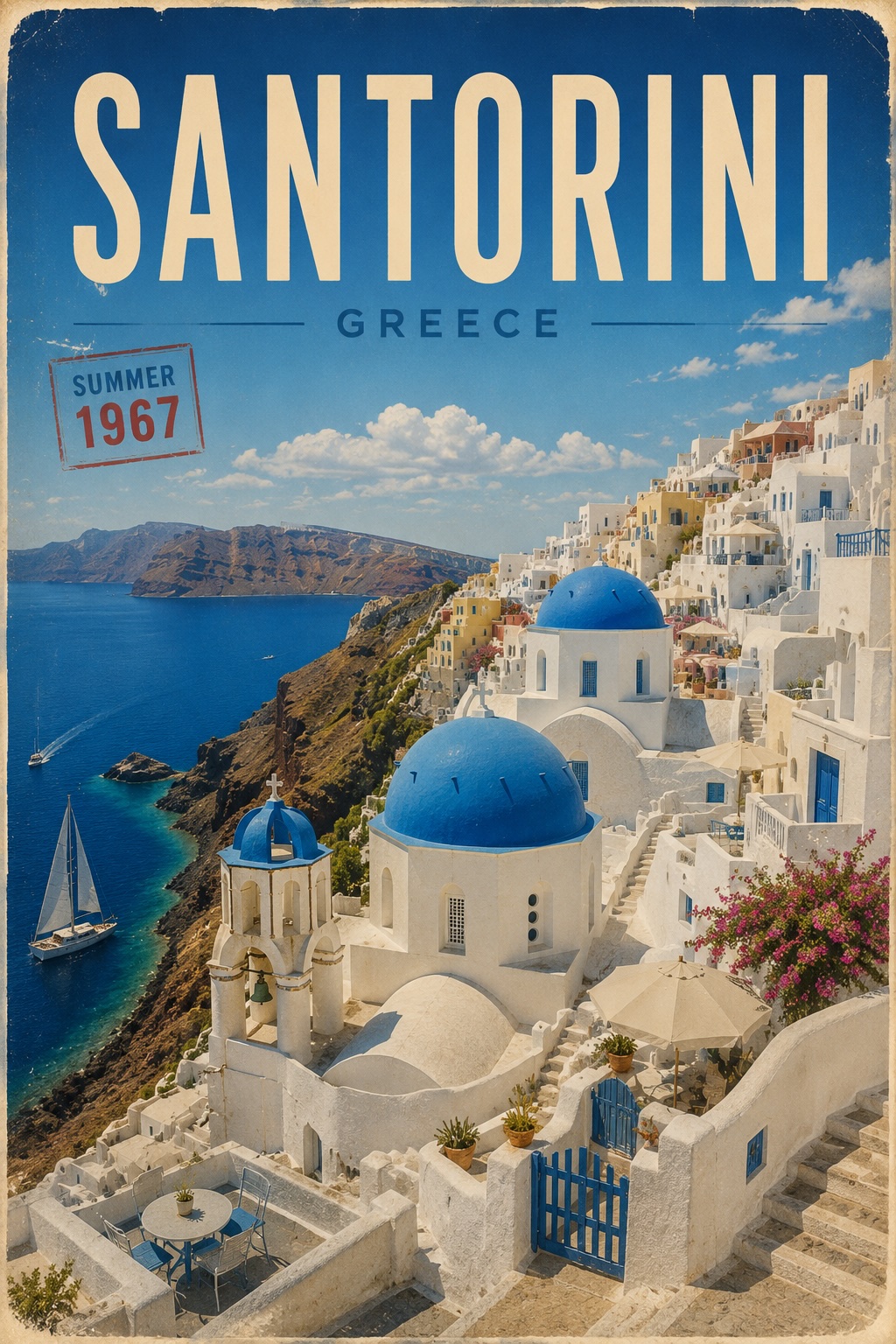
May brings warm, sunny days to the Greek Islands without the peak summer crowds. Discover why this month offers the ideal balance for ocean lovers and travelers.
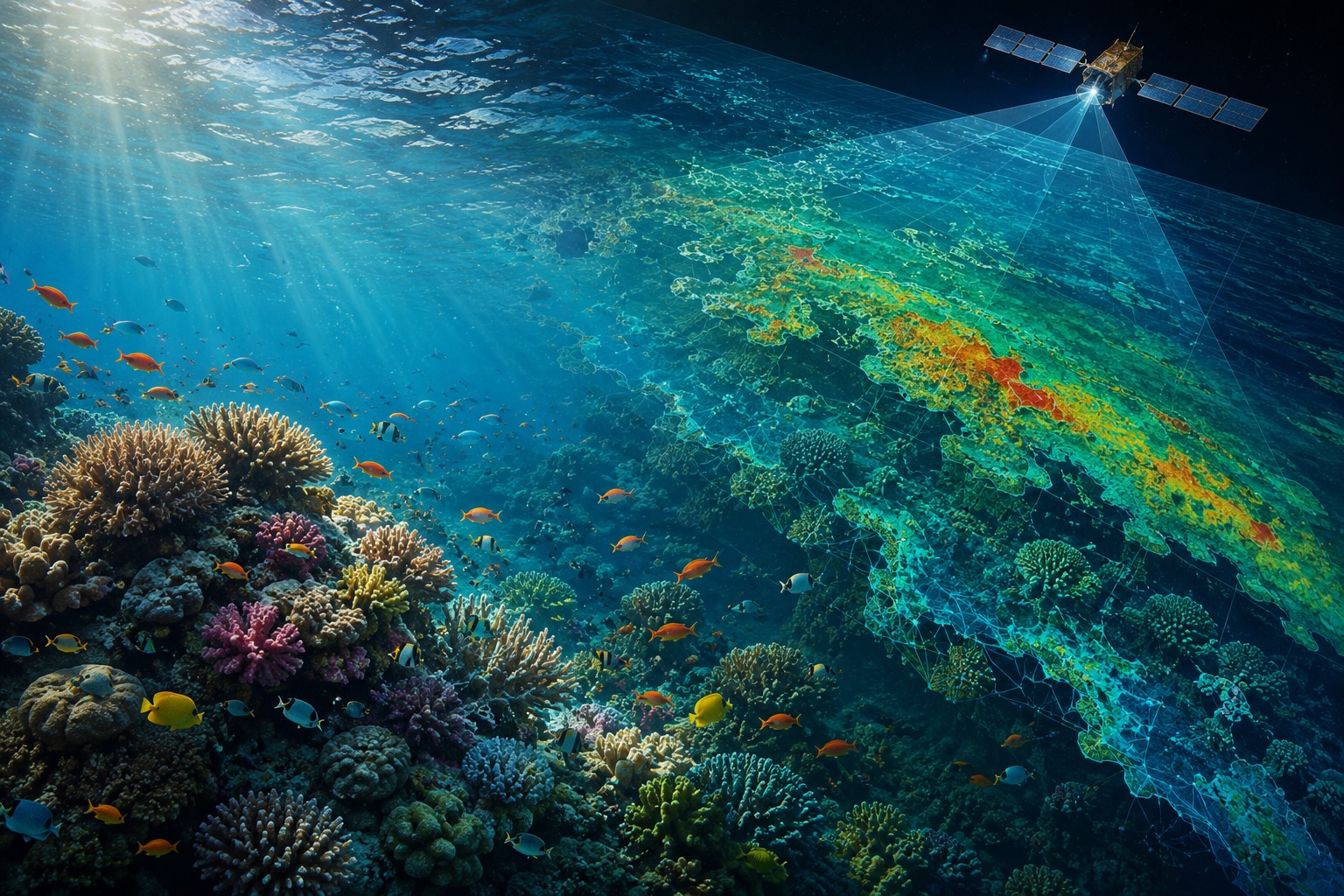
Cornell University researchers have developed an AI system that combines satellite data with underwater measurements to predict coral bleaching events earlier and more accurately.