


Ocean-to-Table, Explained in 2 Minutes
Here’s what to do tonight: choose certified seafood, try an underused species, and add seaweed for clean umami. You’ll lower pressure on popular stocks and unlock new flavors—without guesswork.
How Restaurants Are Changing
Chefs now source directly from verified fisheries and responsible farms. Menus swap some salmon, tuna, and shrimp for mackerel, sardines, mussels, and farmed bivalves. Results: shorter supply chains, better traceability, and brighter tastes.
What to Look For (Trust Marks)
At retail or on menus, seek third-party labels. Start with the wild-capture standard from the Marine Stewardship Council (MSC) and the aquaculture standard from the Aquaculture Stewardship Council (ASC). In the U.S., policy and strategy updates are outlined by NOAA Fisheries. For global context, see FAO’s overview of stocks and farming in the latest SOFIA report.
Techniques Driving the “Blue” Kitchen
- Seaweed cultivation and pantry staples (dried kelp, wakame, furikake-style blends).
- Ferments and garums from verified, low-impact sources.
- Plant-based seafood analogs for familiar dishes when wild catch is off-season.
Practical Tips (Home & Dining)
- Order certified choices or “seasonal specials” featuring mackerel, sardines, mussels, clams.
- Ask the catch method and origin. Prefer handline, traps, pots, and well-managed farms.
- Cook simply: grill mackerel with lemon-herb vinaigrette; steam mussels with seaweed and cider.
- Reduce waste: save bones for stock; pickle trimmings; portion and freeze properly.
Where to Try/See
- MSC – Eat Sustainable Seafood (consumer guides and partners).
- ASC – Look for the Logo (how to identify responsible aquaculture).
- Monterey Bay Aquarium – Seafood Watch (regional recommendations).
- Tokyo Sustainable Seafood Summit (industry and education hub).
- FAO – SOFIA (global status of fisheries and aquaculture).
Key Takeaways
- Certified labels simplify good choices; underused species expand flavor and resilience.
- Seaweed is the stealth hero: low impact, nutrient-rich, and versatile.
- Education is part of the meal—ask questions and reward transparent kitchens.
Mini Itinerary (Weekend “Blue Food” Escape)
Day 1: Seafood market walk with certified picks → cooking class with seaweed pantry.
Day 2: Lunch at a certified partner restaurant → evening talk on local fisheries and farms.
Chef’s Note
Balance brine and brightness: pair oily fish with acids and herbs; treat seaweed like a vegetable—blanch, chill, dress lightly.
Sustainability Note
Filter feeders (mussels, oysters, clams) often improve water quality and carry a smaller footprint per protein gram. Verify local advisories and farm practices.
Continue with OceanWish
More guides and recipes on our blog, our mission on OceanWish, and a weekly 5-minute brief via OceanDrops.

May brings warm, sunny days to the Greek Islands without the peak summer crowds. Discover why this month offers the ideal balance for ocean lovers and travelers.
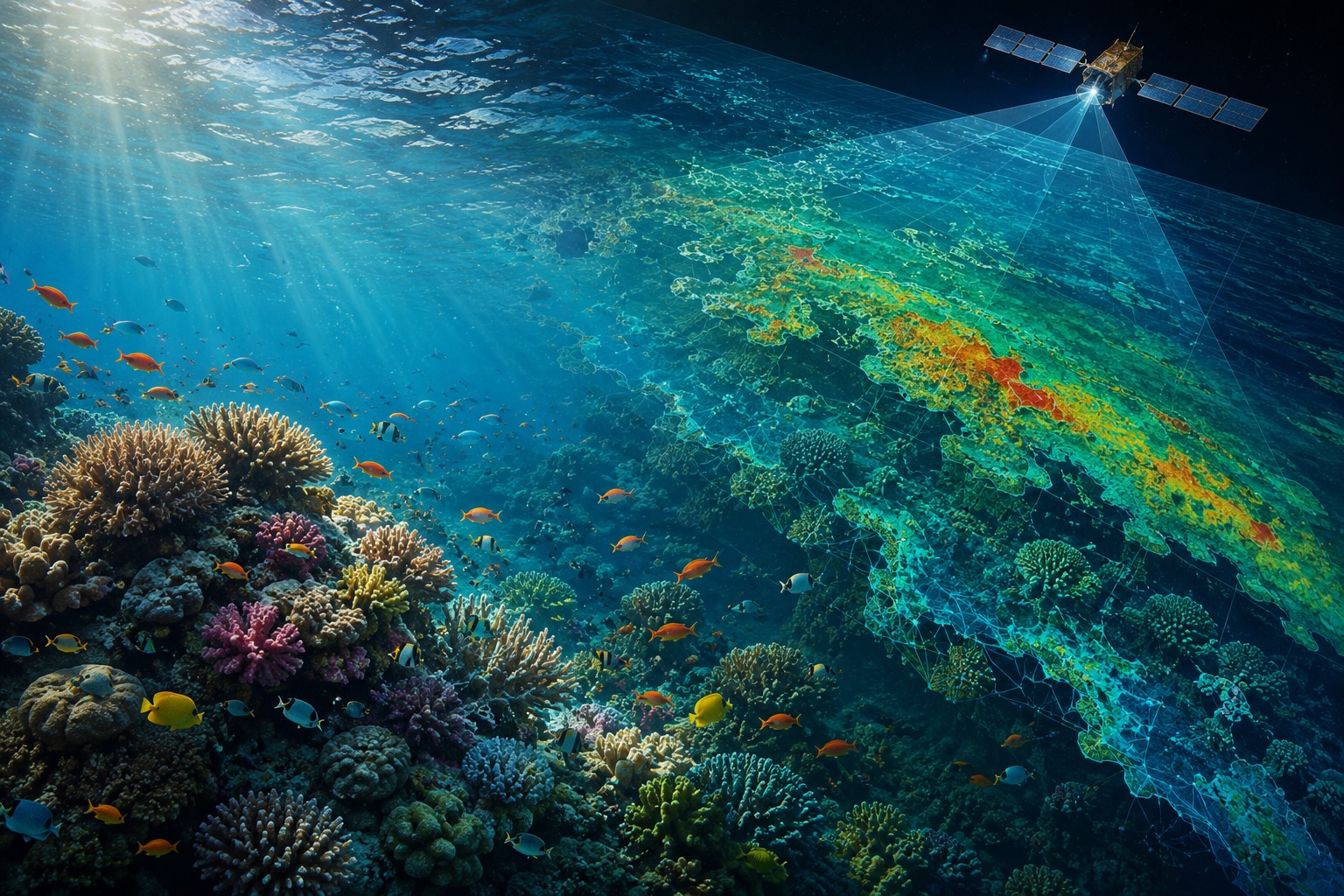
Cornell University researchers have developed an AI system that combines satellite data with underwater measurements to predict coral bleaching events earlier and more accurately.