


A Profound Transformation
The culinary world is experiencing a profound transformation as ocean-conscious dining takes center stage in 2025. Restaurants worldwide are embracing sustainable seafood practices, innovative preparation methods, and a deeper connection to marine ecosystems. This ocean-to-table revolution is reshaping how we think about seafood cuisine and our relationship with the sea.
The Rise of Ocean-to-Table Cuisine
Leading this movement are chefs who prioritize locally sourced, sustainably caught seafood. The trend extends beyond traditional fish to include underutilized species, reducing pressure on overfished stocks while introducing diners to new flavors. Restaurants are showcasing whole grilled fish with minimal intervention – olive oil, lemon, and herbs – allowing the ocean’s natural flavors to shine through.
Seaweed and Kelp: The Ocean’s Superfoods
One of the most exciting developments is the rise of seaweed and kelp-based cuisine. These marine vegetables, rich in umami and nutrients, are appearing in everything from salads to broths. Kelp noodles, sea lettuce wraps, and dulse seasonings are becoming mainstream, offering sustainable alternatives that actually improve ocean health by absorbing excess nutrients and carbon dioxide.
The Mediterranean Influence and Interactive Dining
The Mediterranean influence continues to dominate sustainable coastal cuisine, with its emphasis on fresh seafood, olive oil, and seasonal ingredients. Build-your-own seafood bowls are trending, allowing diners to customize their meals while learning about different species and their origins. This interactive approach educates consumers about sustainable choices while providing delicious, healthy options.
The Rise of Plant-Based Seafood Alternatives
Plant-based seafood alternatives are also gaining momentum, addressing both sustainability concerns and dietary preferences. These innovations use algae, seaweed, and other marine-derived ingredients to create convincing alternatives to traditional seafood, helping reduce pressure on wild fish populations.
Tips for Sustainable Home Cooking
For home cooks, October is an excellent time to explore sustainable seafood options. Look for certifications from organizations like the Marine Stewardship Council (MSC) or Aquaculture Stewardship Council (ASC). Try incorporating more shellfish into your diet – mussels, oysters, and clams are filter feeders that actually improve water quality as they grow.
Exploring the Coast
Consider visiting coastal restaurants that emphasize local, sustainable sourcing, or try your hand at seaweed cooking with varieties like nori, wakame, or sea beans. Many coastal communities now offer foraging tours where you can learn to harvest edible seaweeds responsibly.
Discover More
Explore more ocean-inspired recipes and sustainable dining tips at oceanwish.eu

May brings warm, sunny days to the Greek Islands without the peak summer crowds. Discover why this month offers the ideal balance for ocean lovers and travelers.
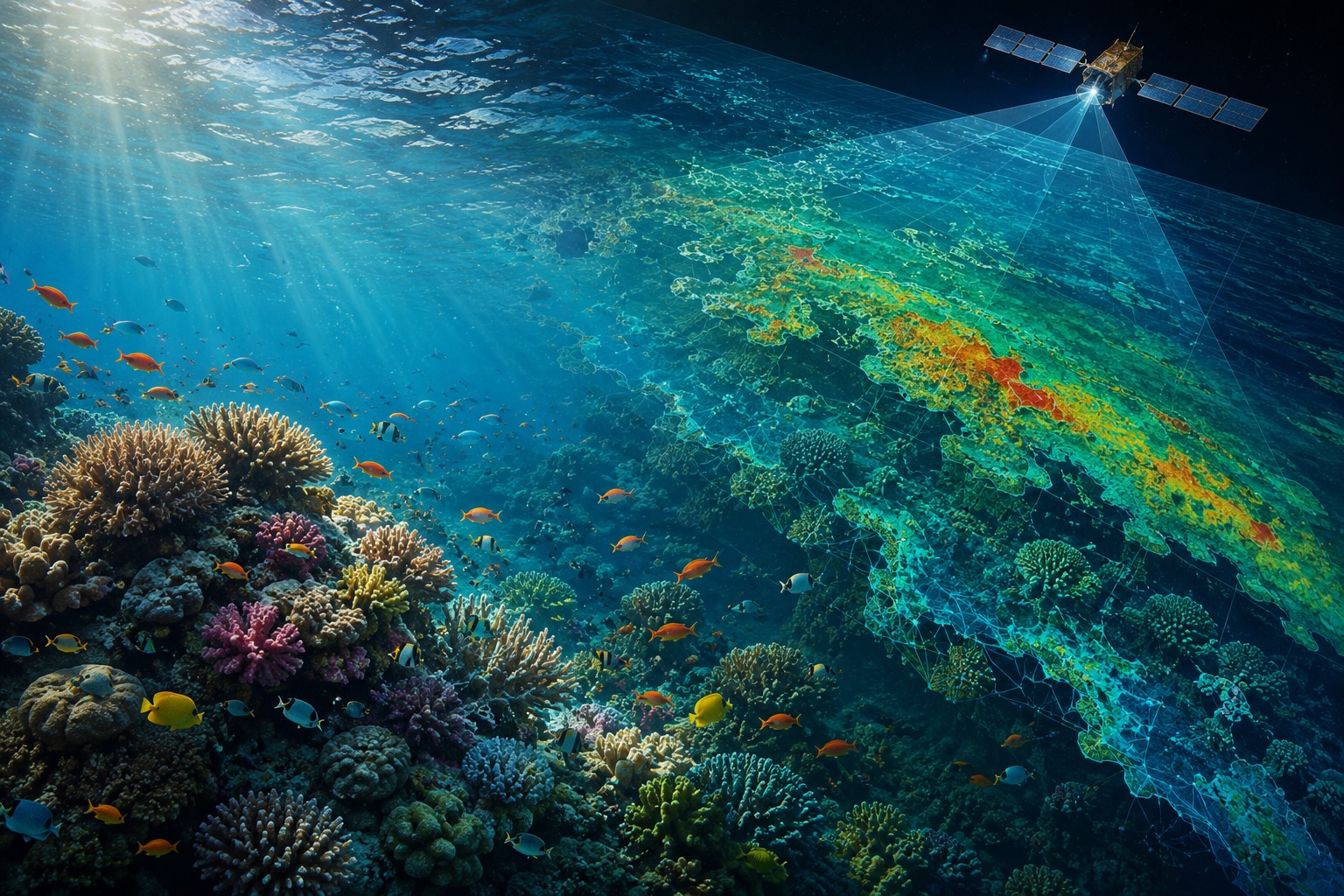
Cornell University researchers have developed an AI system that combines satellite data with underwater measurements to predict coral bleaching events earlier and more accurately.