


The Sustainable Seafood Revolution Reshaping Ocean Gastronomy
Why Sustainable Seafood Matters—Now
October marks National Seafood Month, and this year brings major momentum in
sustainable seafood that is reshaping how chefs, fishers, and diners think about
ocean gastronomy. NOAA Fisheries has outlined actions to
strengthen industry resilience while safeguarding marine ecosystems—framing a future where
taste and traceability go hand in hand.
Policy & Market Signals
NOAA’s National Seafood Strategy (Implementation Plan) puts resilience, climate readiness,
and responsible aquaculture at the center of U.S. seafood—encouraging data-driven management and
working waterfronts that can endure a changing ocean. For the latest details, start here:
NOAA – National Seafood Strategy.
On the market side, the Marine Stewardship Council (MSC) reports that
even during economic headwinds, consumers continue to choose responsibly sourced fish
and shellfish—fueling innovation in sustainable wild-capture and aquaculture.
Ocean-to-Table: From Dock to Dish
Leading restaurants are partnering directly with certified fisheries and trusted suppliers, offering
underutilized species (think mackerel, sardines, mussels) to reduce pressure on
overfished stocks. The result: fresher supply chains, smaller footprints, and menus that celebrate
regional biodiversity.
Where to Taste It: Ocean-to-Table Experiences
United States
• Le Bernardin (NYC) — a fine-dining benchmark with a long-standing focus on quality sourcing and seasonality.
• Hog Island Oyster Co. (CA) — farm-to-raw-bar oysters and bay stewardship; visit Marshall or SF Ferry Building.
United Kingdom
• SOLA / Sea-Focused Kitchens — contemporary kitchens spotlighting line-caught, day-boat fish and coastal produce.
• Rick Stein Restaurants (Cornwall) — long-time champions of local landings and seasonal British seafood.
Nordics
• Noma Projects / Nordic Labs — fermentation-forward ideas, shore-foraged seaweeds, and low-impact flavor design.
• Restaurant Barr — North Sea traditions, cold-water species, and sustainable preservation methods.
Japan
• Tokyo Sustainable Seafood Summit — annual hub for equitable, climate-resilient seafood systems.
• Regional “Umi-kara” Markets — traceable local landings, seaweed products, and chef collaborations.
Australia
• Sydney Fish Market — education on species choice and cooking classes featuring responsible selections.
• Attica (Melbourne) — produce-driven menus, coastal botanicals, and thoughtful small-scale sourcing.
Certifications & What to Look For
At retail, seek third-party labels like MSC (wild-capture) and
ASC (aquaculture), and ask vendors about vessel traceability,
gear type (e.g., handline, pots, traps), and seasonality. Favor
underloved but delicious species—mackerel, sardines, mussels—often more sustainable, nutritious,
and budget-friendly than marquee fish.
Climate Resilience & Equity
Now in its 10th year, the Tokyo Sustainable Seafood Summit
highlights climate adaptation and equitable seafood economies, showing how diversified
species, better cold-chain logistics, and robust certification can keep plates full as oceans change.
Home Cooking: Your Ocean-to-Table Playbook
- Buy what’s in season and local when possible; ask for the catch method and origin.
- Swap to flavorful, quick-cooking species like mackerel or sardines; try
steamed mussels with seaweed and cider, or grilled mackerel with herb vinaigrette. - Use sea vegetables (kelp, wakame) to add umami and nutrients with minimal environmental impact.
- Keep it low-waste: whole-fish cookery, stocks from bones, and preserved citrus/herbs.
Conclusion
Every meal is a chance to support ocean health. By choosing sustainable seafood, you help
protect marine ecosystems while keeping ocean flavors on the table for future generations. Explore more
ocean-friendly recipes and stories at oceanwish.eu.

May brings warm, sunny days to the Greek Islands without the peak summer crowds. Discover why this month offers the ideal balance for ocean lovers and travelers.
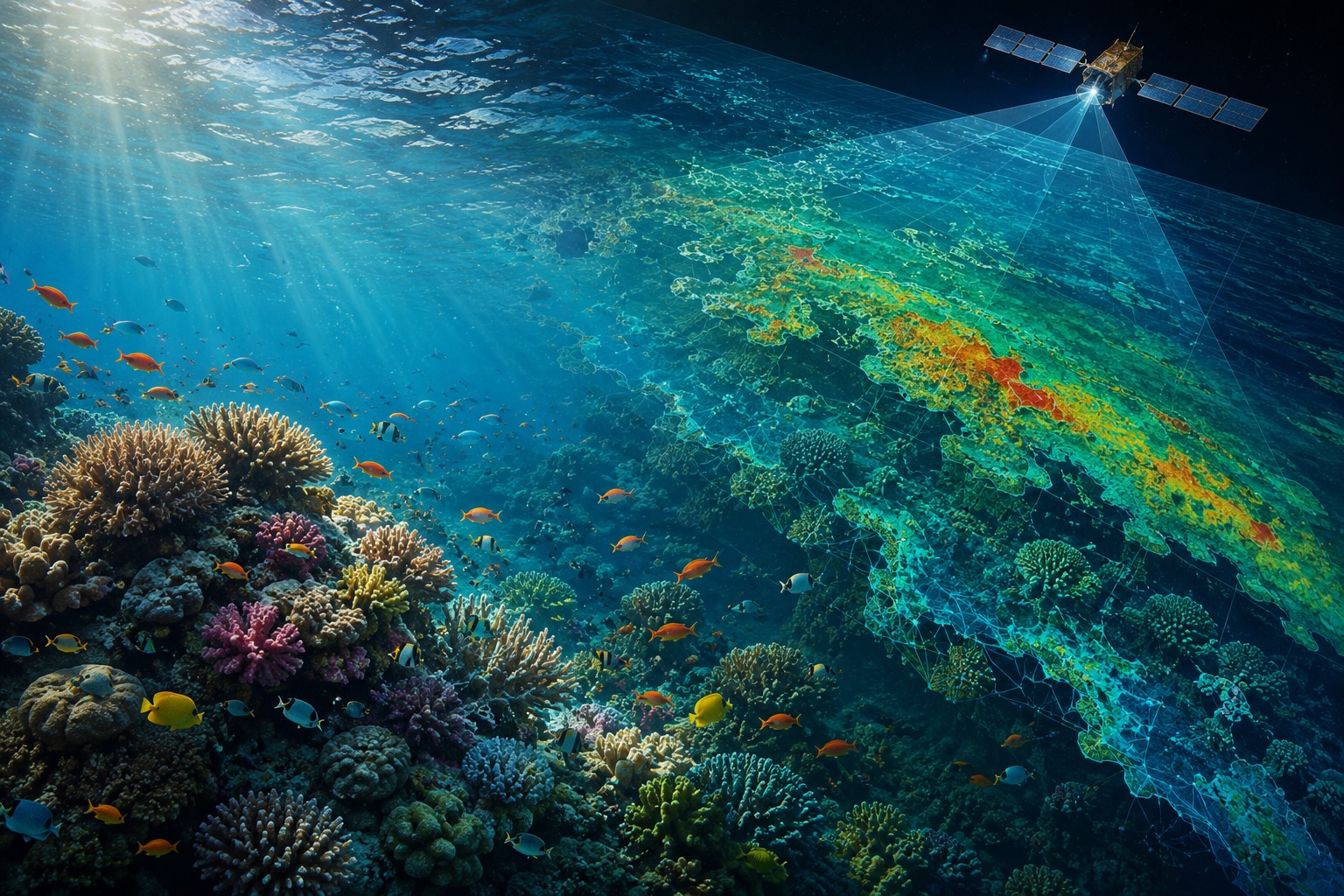
Cornell University researchers have developed an AI system that combines satellite data with underwater measurements to predict coral bleaching events earlier and more accurately.