


Lead
As November arrives, Costa Rica’s Pacific coast turns on: warm 28 °C (82 °F) water, consistent south-pulse energy, and gentle offshore mornings. It’s the perfect pre-winter escape for surfers of all levels.
Why November Works
Late-season southern hemisphere swells meet dry-season trades, delivering clean 3–6 ft surf and long, rippable walls. Mornings are typically glassy or offshore; afternoons bring a light seabreeze. For climate and travel guidance, see the national board Visit Costa Rica.
Where to Paddle Out
- Playa Avellanas (Guanacaste) — “Little Hawaii” on bigger pulses; multiple peaks for mixed abilities. Official destination page: Playa Avellanas.
- Santa Teresa & Playa Carmen (Nicoya) — Boho vibe, punchy beachbreaks, reefy corners on tides. Learn more: Santa Teresa.
- Nosara / Playa Guiones — User-friendly sandbars, long rides, strong conservation culture. Destination info: Nosara.
More Than Waves: Nature & Conservation
Roughly a quarter of Costa Rica’s territory is protected. On the coast, that means surf trips overlap with turtle nesting and dry-forest wildlife. Explore park information via SINAC (National System of Conservation Areas). For leatherback conservation and beach access rules near Tamarindo, see Marino Las Baulas National Park.
Where to Stay & Learn (Eco-leaning)
Look for properties certified under ICT’s CST—Certification for Sustainable Tourism. You’ll find surf schools and guides who promote reef-safe practices, tide awareness, and mooring-over-anchoring ethics.
Practical Tips
- Boards: All-round shortboard or fish for beachbreaks; a step-up for well-overhead pulses; longboard/funboard for mellow days.
- Kit: Reef-safe sunscreen (no oxybenzone), booties for reefy entries, small first-aid kit.
- Logistics: November books up—reserve early. Check wind/swell windows with a trusted forecast (e.g., Surfline Costa Rica).
- Etiquette: Respect locals and right-of-way; pack out all trash; avoid trampling dunes and turtle nests.
Mini Itinerary (7 Days)
- Days 1–2: Avellanas — Dawn patrol + sunset sessions; day trip to Tamarindo mangroves.
- Days 3–4: Nosara — Long walls at Guiones; evening turtle talk or refuge visit (season-dependent).
- Days 5–7: Santa Teresa — Morning glass, yoga recovery, tide-timed reefs; waterfalls inland on a lay day.
Where to Try/See
- Playa Avellanas (Visit Costa Rica) — multi-peak beach with “Little Hawaii” on bigger swells.
- Santa Teresa (Visit Costa Rica) — consistent sandbars, boho town, plenty of surf services.
- Nosara / Guiones (Visit Costa Rica) — friendly walls and conservation-first culture.
- Marino Las Baulas NP (SINAC) — turtle nesting zones near surf hubs; obey seasonal rules.
Safety Note
Mind rips, shifting sandbars, and shallow reefs on lower tides. During turtle nesting seasons, follow local restrictions and red-light protocols at night. Keep an eye on valuables and never leave gear unattended.
Sustainability Note
Choose CST-certified operators, refill water, and favor moorings over anchoring on reefs. Many towns run beach-cleanups—join one and “leave only bubbles.”
Key Takeaways
- November = reliable swell + warm water across the Pacific coast.
- Three-stop arc (Avellanas–Nosara–Santa Teresa) covers varied waves and vibes.
- Conservation is part of the trip—plan around park rules and nesting seasons.
Conclusion & CTA
From postcard sandbars to conservation-minded beach towns, Costa Rica delivers a November surf escape with substance. Explore more ocean travel ideas on the OceanWish Blog and subscribe to OceanDrops for weekly inspiration.
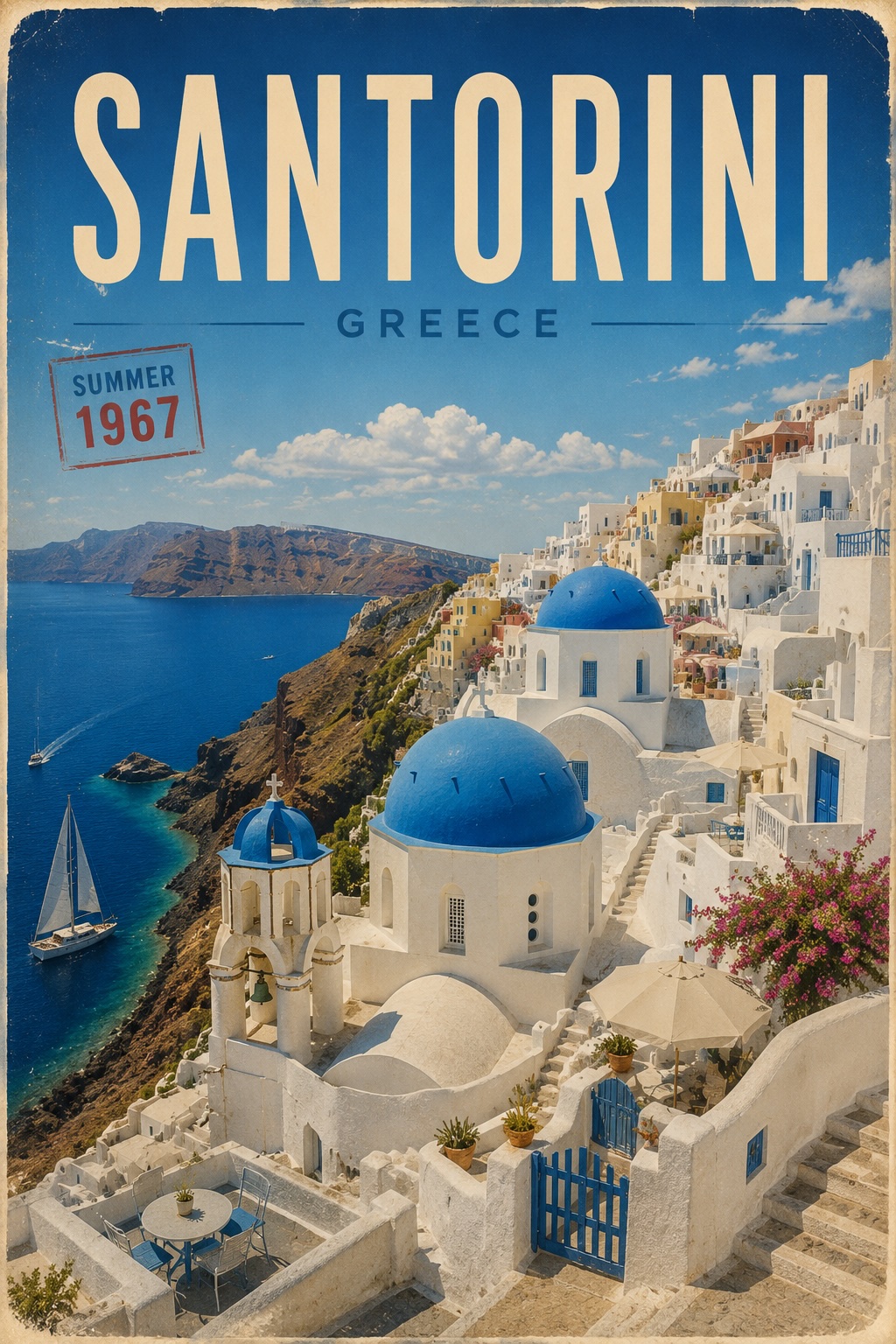
May brings warm, sunny days to the Greek Islands without the peak summer crowds. Discover why this month offers the ideal balance for ocean lovers and travelers.
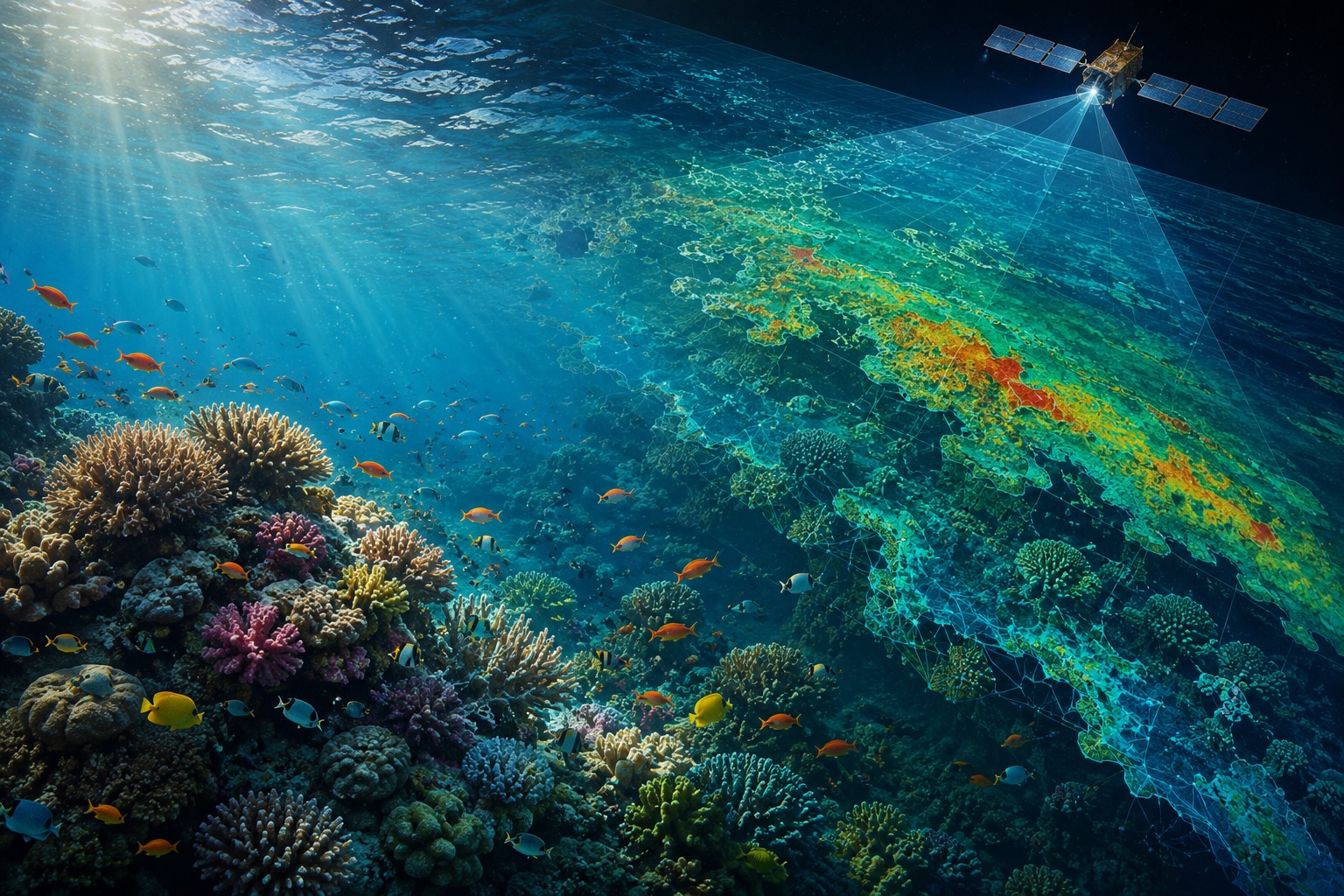
Cornell University researchers have developed an AI system that combines satellite data with underwater measurements to predict coral bleaching events earlier and more accurately.