
Azores Establishes North Atlantic’s Largest Marine Sanctuary: A Community-Led Conservation Victory


Lead
The Azores have created the North Atlantic’s largest marine protected area network, spanning 287,000 km². It is a community-led milestone that balances traditional fisheries with strong ocean protection.
Why This Matters
The archipelago sits on a biodiversity crossroads. Migrating whales, dolphins, pelagic fish, seamounts, and hydrothermal vent life meet here. Strong protection safeguards habitats and supports local livelihoods.
What’s Protected, Exactly
The network designates 15% full protection and a further 15% high protection with strict rules on extraction. Sensitive habitats and spawning grounds gain priority. Traditional, small-scale practices are respected within sustainable limits.
Community at the Helm
Generations of Azorean fishers helped shape the plan. As one local notes, “With proper protection, our grandchildren will see the same abundance.” The network ties cultural heritage to ecosystem recovery.
Science & Policy Backing
The approach aligns with global MPA guidance and regional conservation frameworks. Learn more from IUCN on MPAs and the OSPAR Commission. Explore the islands’ geodiversity via the UNESCO Azores Geopark, and official visitor guidance on Visit Azores.
Practical Tips
- Choose certified operators: Ask about no-anchoring policies, wildlife distances, and low-impact gear.
- Travel off-peak: Reduce pressure on popular sites and enjoy calmer oceans and quieter harbors.
- Support local: Eat seasonal, small-boat catch; buy crafts from coastal communities.
- Be reef-safe: Skip anchoring on hard bottom; use moorings; wear mineral sunscreen.
Mini Itinerary · Map Hints
- Pico & Faial Channel: Whale and dolphin watching from land and sea; museum stops between sailings.
- São Miguel: Day trips combine volcanic lakes with coastal hikes; end at protected coves.
- Terceira & Graciosa: Seamount edges for pelagics with operators who avoid sensitive bottoms.
Where to Try/See
- Visit Azores (Official) — island-by-island nature and marine activity guidance.
- Parques Naturais dos Açores — protected areas, codes of conduct, seasonal access.
- IUCN — Marine Protected Areas — global science and policy context.
- OSPAR — Atlantic MPAs — regional cooperation and maps.
Sustainability Note
The network advances the “30 by 30” goal while centering local voices. Monitoring, adaptive zoning, and fair enforcement will be key to lasting benefits for fishers and wildlife.
Safety Note
Atlantic weather changes quickly. Check marine forecasts, follow skipper advice, and keep safe distances from cetaceans and seabirds. Respect closures and seasonal rules.
Key Takeaways
- The Azores now host the North Atlantic’s largest MPA network.
- Protection mixes fully and highly protected zones to fit local realities.
- Community leadership anchors long-term ecological and social gains.
Conclusion
The Azores show how ocean nations can protect biodiversity and culture together. Discover more conservation stories on the OceanWish Blog and subscribe to OceanDrops for weekly inspiration.
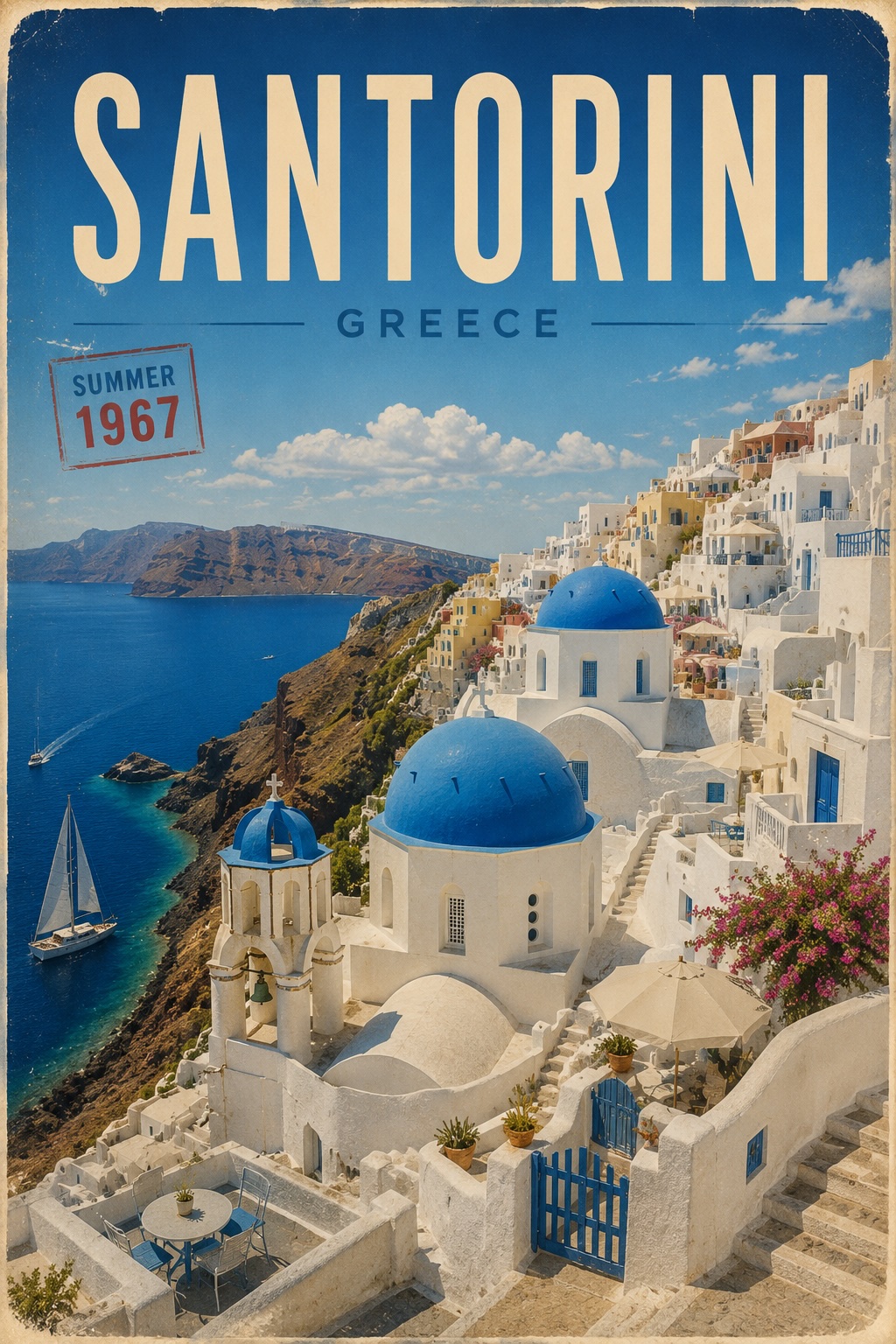
May brings warm, sunny days to the Greek Islands without the peak summer crowds. Discover why this month offers the ideal balance for ocean lovers and travelers.
Cornell University researchers have developed an AI system that combines satellite data with underwater measurements to predict coral bleaching events earlier and more accurately.