


In the lightless “midnight zone,” researchers confirmed a new deep-sea nudibranch after two decades of observation. MBARI’s long-term study has finally named the “mystery mollusk.”
What Was Discovered
Bathydevius caudactylus was first filmed in 2000 at ~2,614 meters below the surface. The animal shows a gelatinous hood, visible internal organs, and bioluminescent cues. It is the first nudibranch known to inhabit the deep water column, not the seafloor.
Why It Matters
This find expands where nudibranchs can live and feed. It also advances our understanding of midwater ecosystems, which remain vastly unexplored. Less than 5% of the ocean has been surveyed in detail.
How Scientists Confirmed It
MBARI reviewed more than 150 ROV sightings over 20 years. The team compared morphology, behavior, and habitat. Expert taxonomists validated its placement among nudibranchs.
Midnight Zone Life
The species coexists with glass sponges, soft corals, and other gelatinous fauna. Its tail bears finger-like projections that likely aid maneuvering in still, dense water.
Quotes & Context
“Deep-sea animals capture the imagination,” notes Bruce Robison, Senior Scientist at MBARI. Each discovery builds public awareness and informs conservation.
Practical Tips
- Follow MBARI’s research updates and video library (MBARI).
- Explore deep-sea archives from NOAA Ocean Exploration and the Schmidt Ocean Institute.
- Support nonprofits advancing ocean taxonomy and imaging, including Ocean Census.
Where to Try/See
- MBARI ROV highlights — curated clips from midwater missions.
- NOAA Okeanos Explorer livestream/archive — deep-sea dives with expert narration.
- Schmidt Ocean Institute expeditions — ROV SuBastian missions and science logs.
- Monterey Bay Aquarium — exhibits on deep-sea biology and bioluminescence.
Conclusion & CTA
Each new species from the midnight zone reshapes ocean science and public imagination. Discover more ocean stories on the OceanWish Blog and subscribe to OceanDrops for weekly discoveries.

May brings warm, sunny days to the Greek Islands without the peak summer crowds. Discover why this month offers the ideal balance for ocean lovers and travelers.
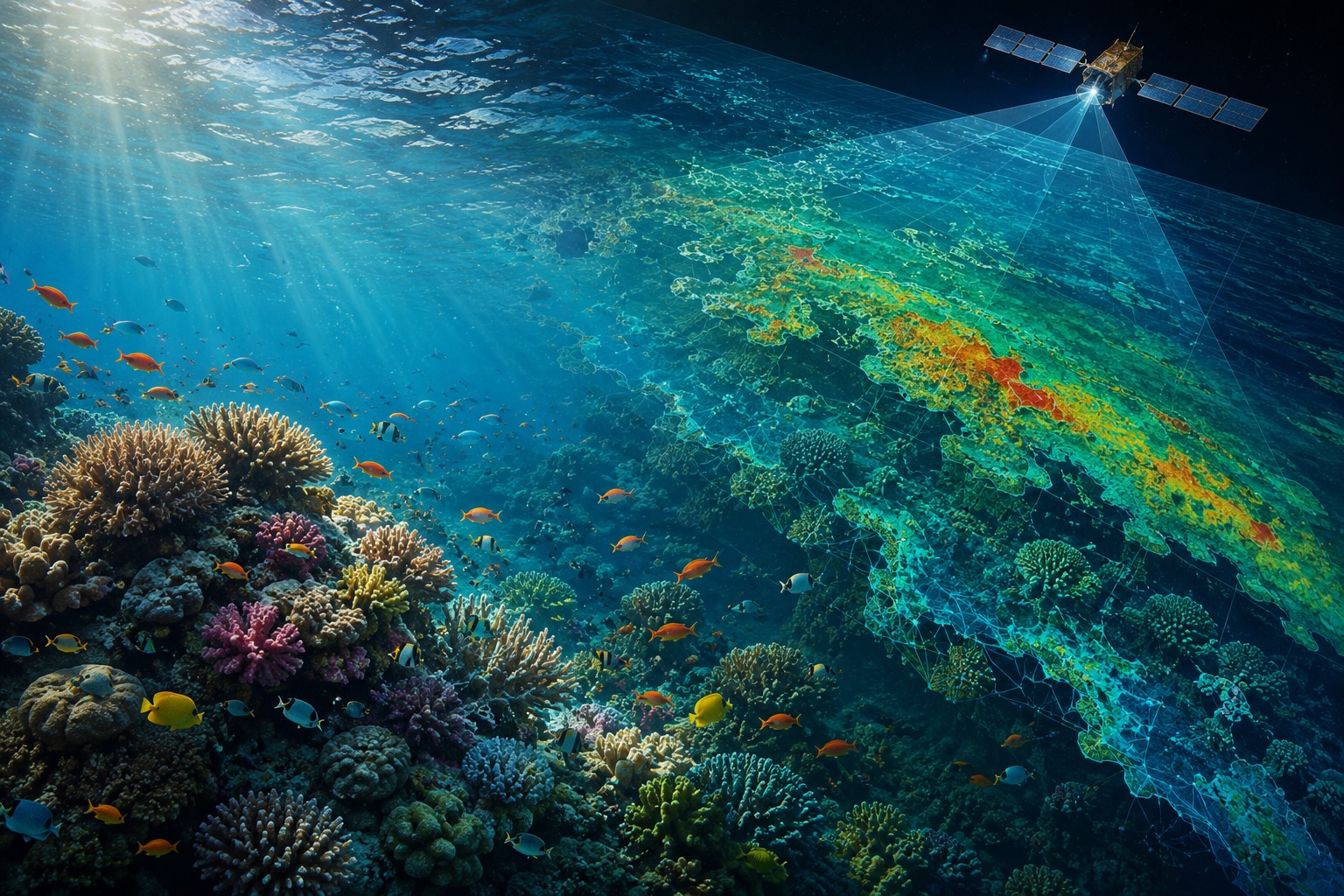
Cornell University researchers have developed an AI system that combines satellite data with underwater measurements to predict coral bleaching events earlier and more accurately.