


The Big Picture
Abu Dhabi is making waves with what’s being billed as the world’s largest coral restoration project—an ambitious plan to transform roughly 1,200 km² of seabed into thriving coral gardens. By 2030, the initiative aims to deploy up to 40,000 artificial reefs and seed them with heat-adapted Gulf corals, opening a new chapter for marine tourism in the region.
Why Heat-Adapted Gulf Corals Matter
The Arabian/Persian Gulf hosts some of the planet’s most heat-tolerant reef-building corals. Scientists are leveraging these naturally resilient strains to boost restoration success as oceans warm. For context on coral resilience and reef science, explore the NOAA Coral Reef Conservation Program, regional research via NYU Abu Dhabi’s climate & environment center, and UAE conservation partners like Emirates Nature–WWF.
How the Project Works
Engineered reef modules create 3D habitat for corals, fish, and invertebrates. Marine teams outplant heat-adapted coral fragments and monitor growth, survival, and biodiversity recovery. Learn more about local stewardship through the Environment Agency – Abu Dhabi (EAD) and global restoration principles at the IUCN Coral Reefs hub.
Travelers: Luxury With Purpose
For visitors, this is an emerging destination that pairs high-end hospitality with ocean purpose. New artificial reefs are designed for conservation and immersive diving/snorkeling—creating accessible “living classrooms” that deepen understanding of reef ecology while easing pressure on natural sites.
Hands-On Conservation Experiences
Guided by marine biologists, guests can join coral nursery visits or supervised planting sessions and learn field methods for monitoring reef health. These popular, responsible experiences reflect a wider trend toward conservation-first tourism. Check official trip-planning updates via Visit Abu Dhabi.
2025–2030: What to Expect
As coral gardens mature, expect a rapid increase in reef complexity and fish abundance. Early visitors will witness the transformation from bare substrate to vibrant, biodiverse communities—an arc that makes return trips uniquely rewarding.
Beyond Diving: Research & Blue Innovation
The project is catalyzing marine research centers, underwater galleries, and eco-luxury resorts built around ocean stewardship. It aligns with best practice on sustainable tourism and supports regional knowledge-sharing for restoration in warm seas.
Practical Tips
- Best time to visit: November–March offers comfortable water temps and clear conditions.
- Choose responsible operators: Look for briefings on buoyancy, “no touch, no take,” and reef-safe practices.
- Learn before you dive: Review reef etiquette with NOAA’s coral etiquette and local guidance from EAD.
- Support the science: Consider donating to UAE conservation partners like Emirates Nature–WWF.
Where to Try/See
- Visit Abu Dhabi — official marine activities, seasons, and access.
- Environment Agency – Abu Dhabi — conservation programs and habitat protection updates.
- NOAA Coral Reef Conservation Program — global best practices for coral restoration.
Keep It Blue
Ready to explore the future of marine tourism? Discover more responsible ocean destinations on the OceanWish Blog, learn about our mission on About, and subscribe to our weekly newsletter OceanDrops.

May brings warm, sunny days to the Greek Islands without the peak summer crowds. Discover why this month offers the ideal balance for ocean lovers and travelers.
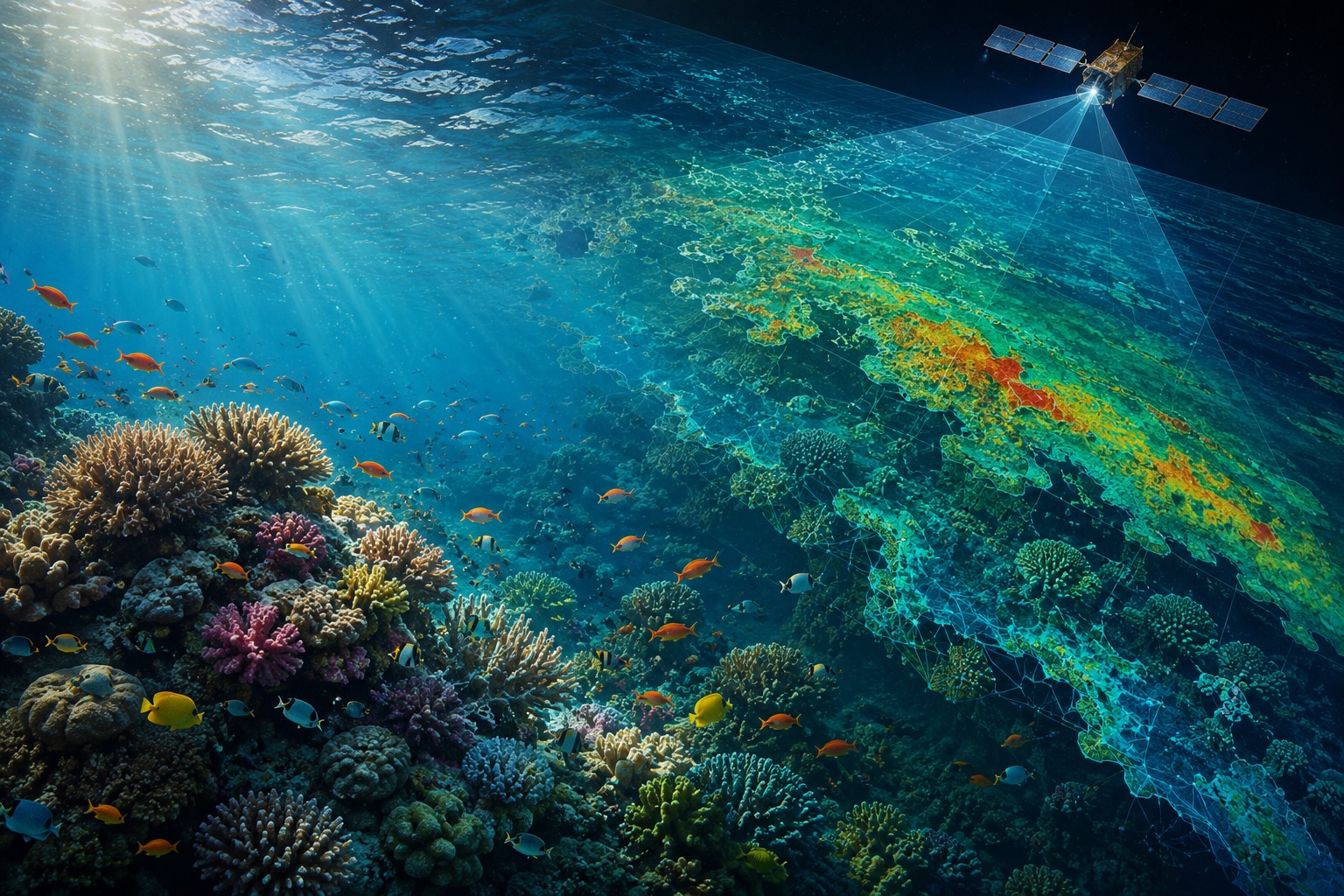
Cornell University researchers have developed an AI system that combines satellite data with underwater measurements to predict coral bleaching events earlier and more accurately.